Glass
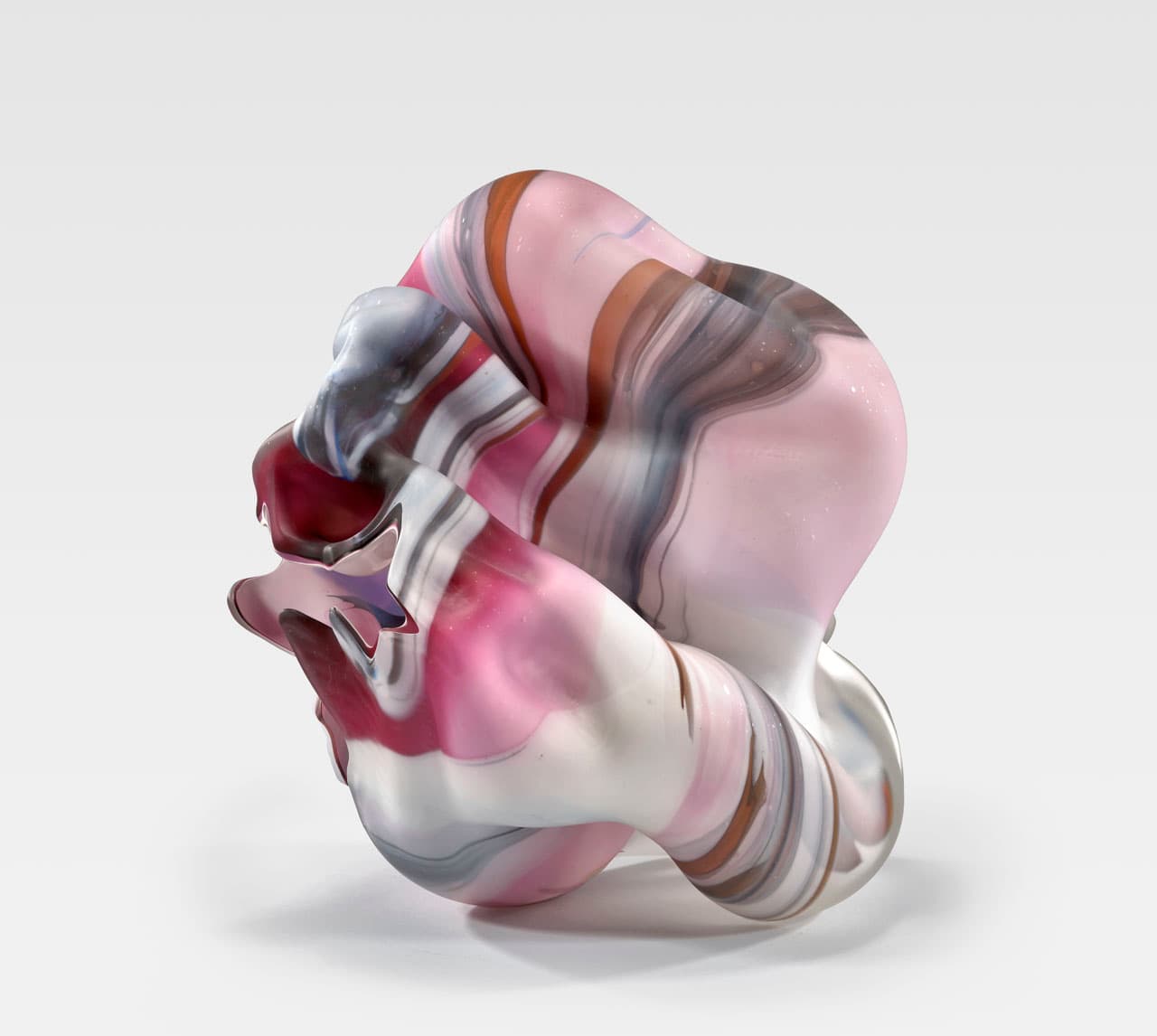
The Crocker Art Museum’s glass collection spans centuries and showcases a wide variety of cultural traditions and historical periods. Highlights include ancient Roman vessels, Chinese snuff bottles, and American and European Art Nouveau glass from the late nineteenth and early twentieth centuries. The collection also features modern studio glass and contemporary sculpture, demonstrating glass’s enduring role as both a functional material and a powerful medium for artistic expression.
About the Glass Collection
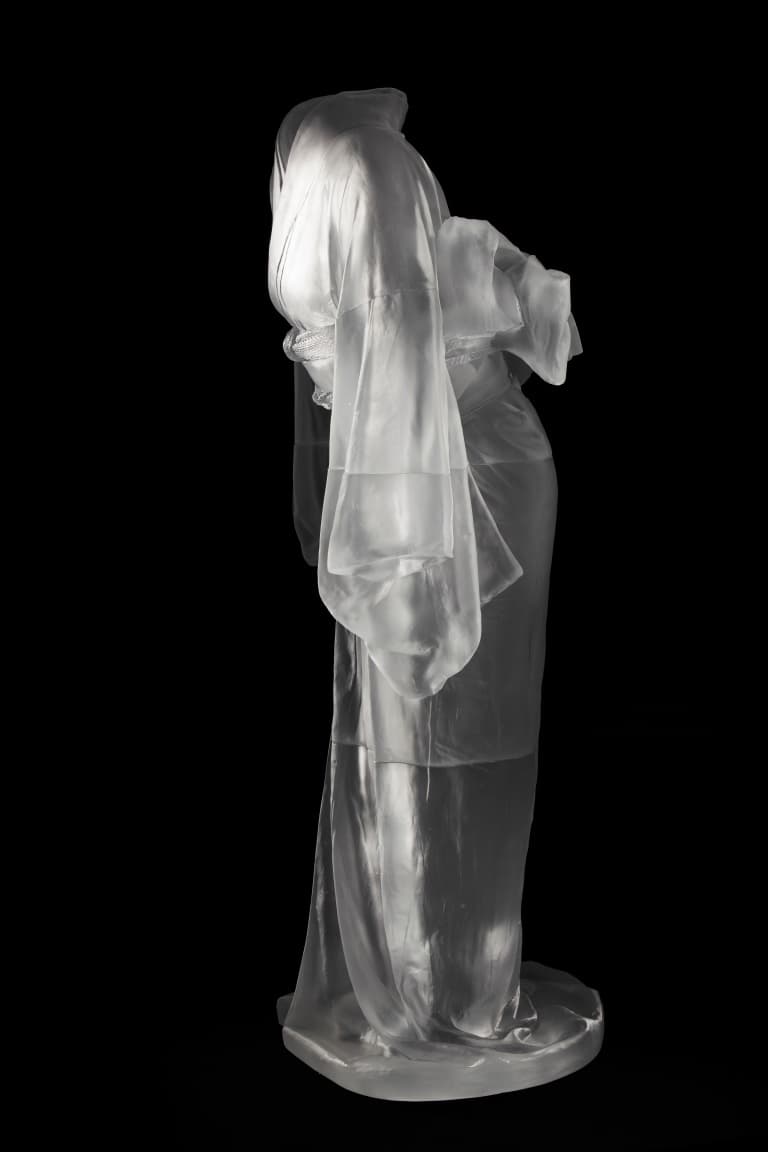
Spanning centuries of artistic production, the Crocker Art Museum’s glass collection reflects an exceptional range of cultural traditions and historical periods. International in scope, it encompasses works from ancient Roman vessels to the refined innovations of the late 19th and early 20th centuries, including Chinese snuff bottles and American and European Art Nouveau glass. Extending from the mid-20th century to the present, the collection also features modern studio glass and contemporary sculpture from the United States and Puerto Rico, Europe, Japan, and Australia. Together, these works illuminate the enduring beauty, versatility, and expressive possibilities of glass across generations, cultures, and artistic traditions.
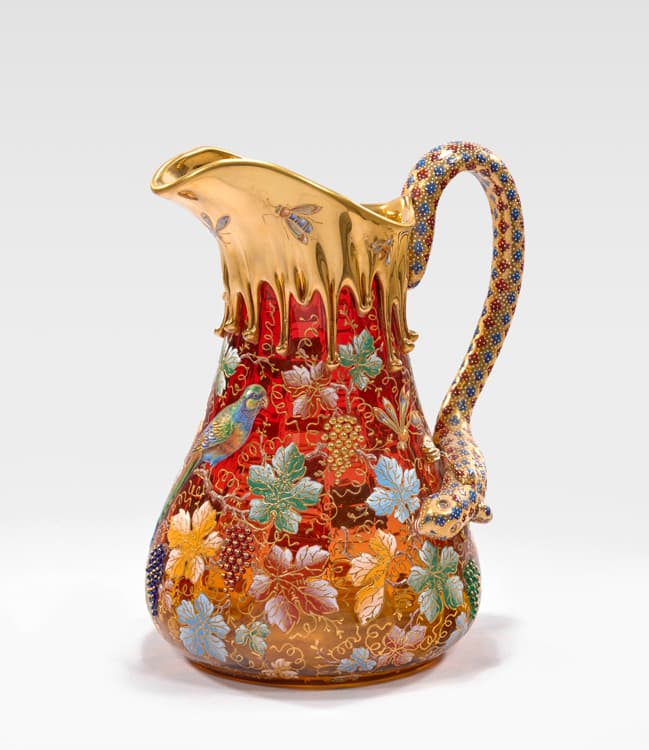
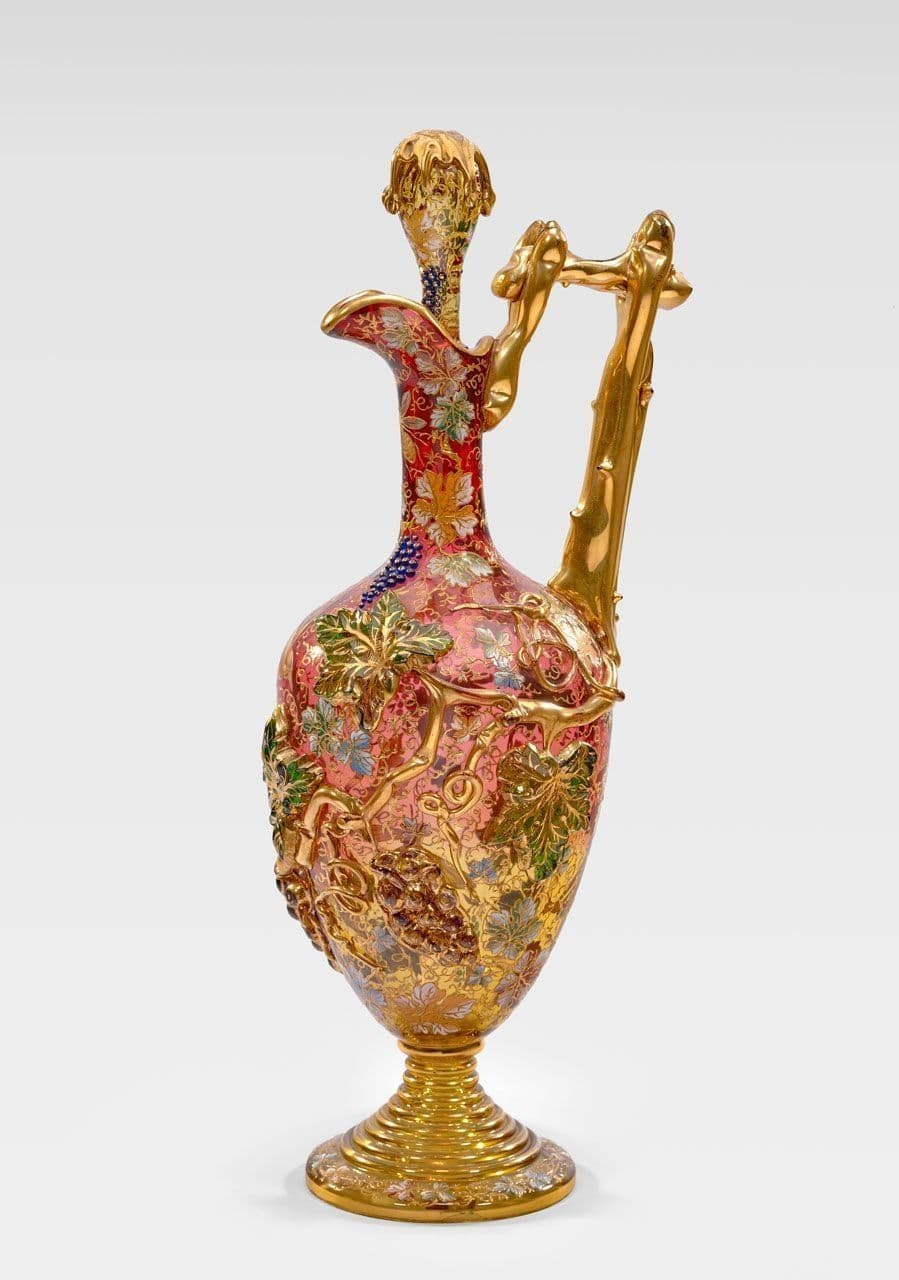
Ludwig Moser & Sons (Austrian, est. 1857), Amberina Glass Pitcher, late 19th century. Glass with gilt and enamel, 10 1/2 x 7 x 8 3/4 in. Crocker Art Museum, gift of the Ladies Museum Association, 1939.33.7.c.
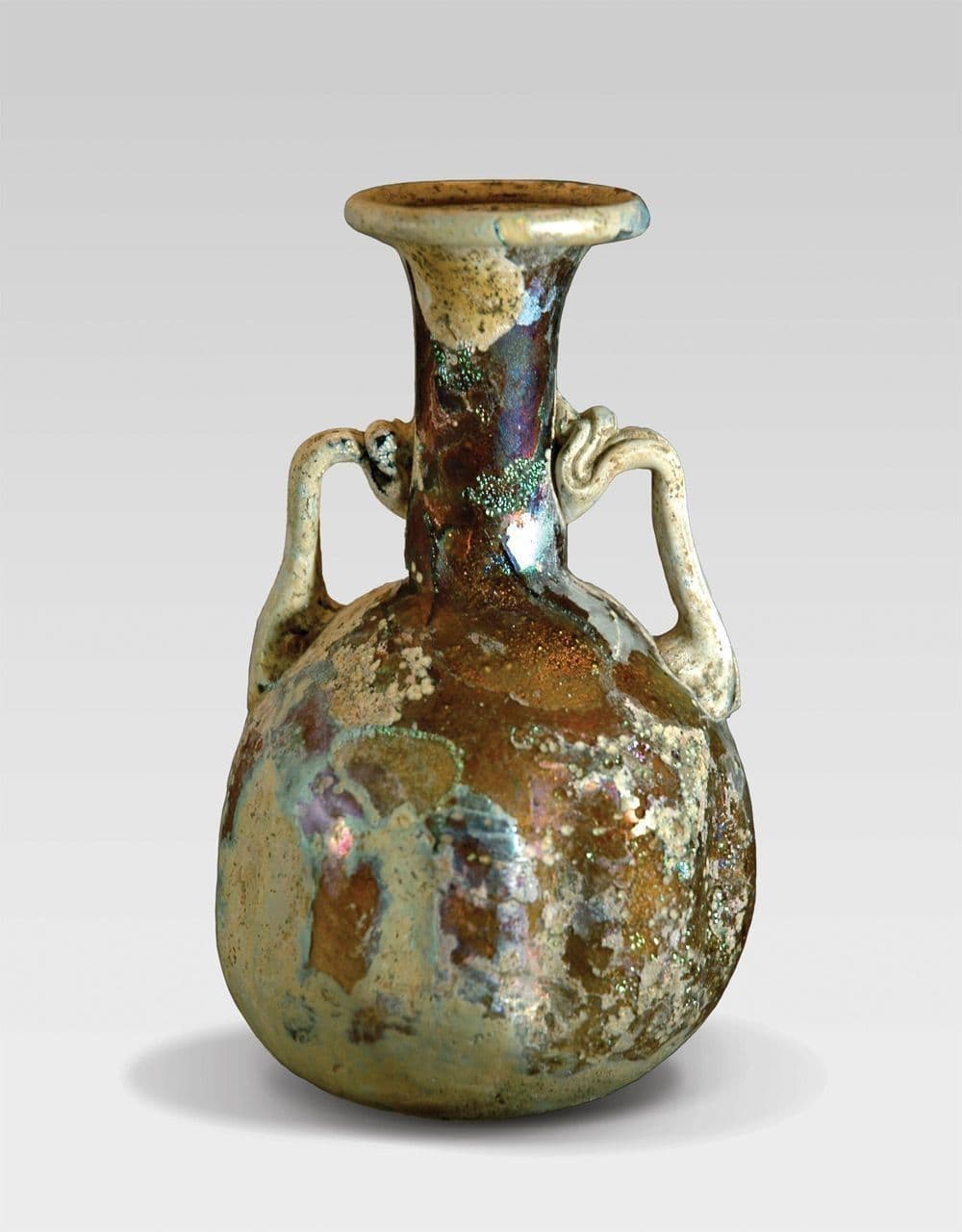
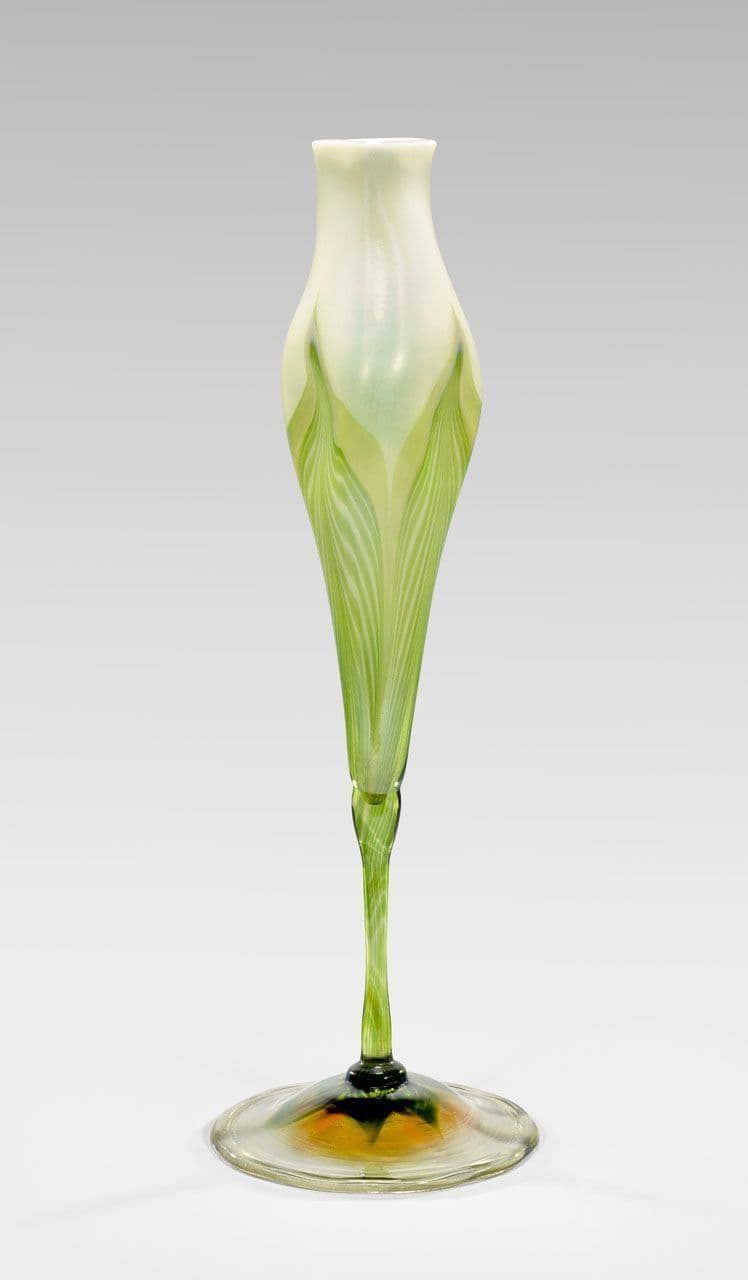
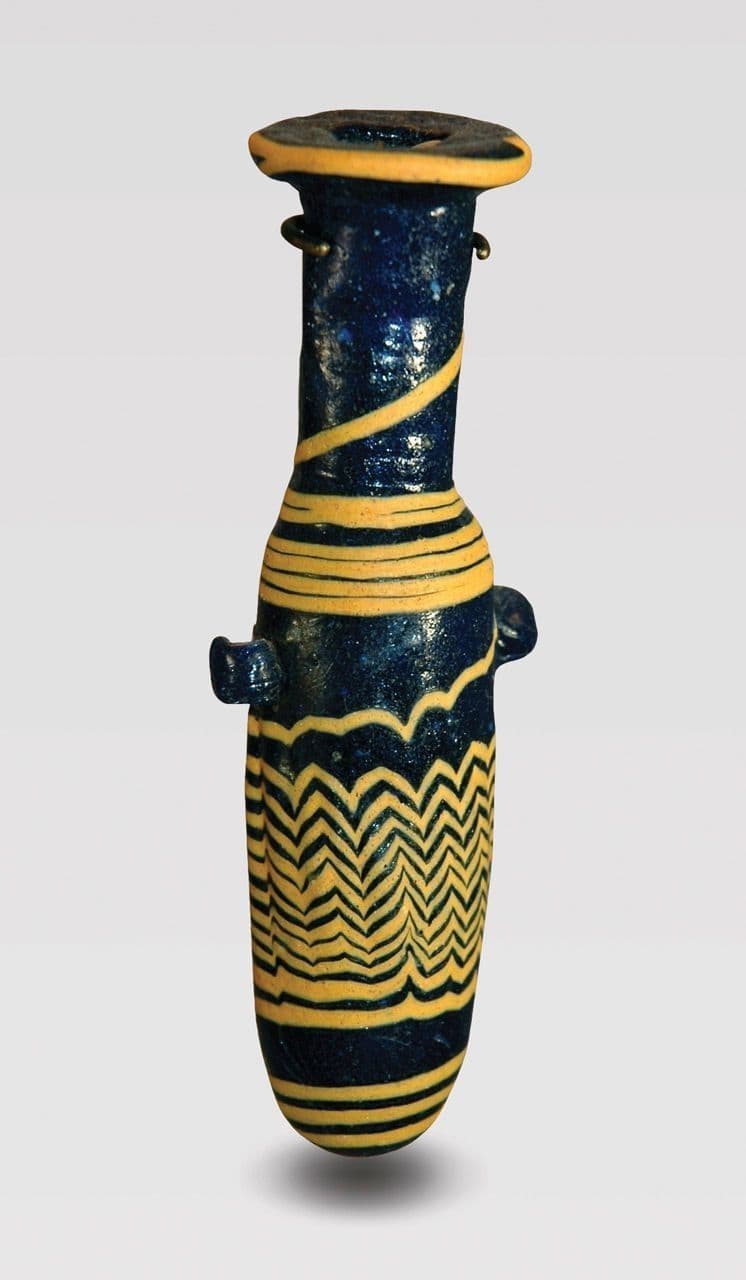
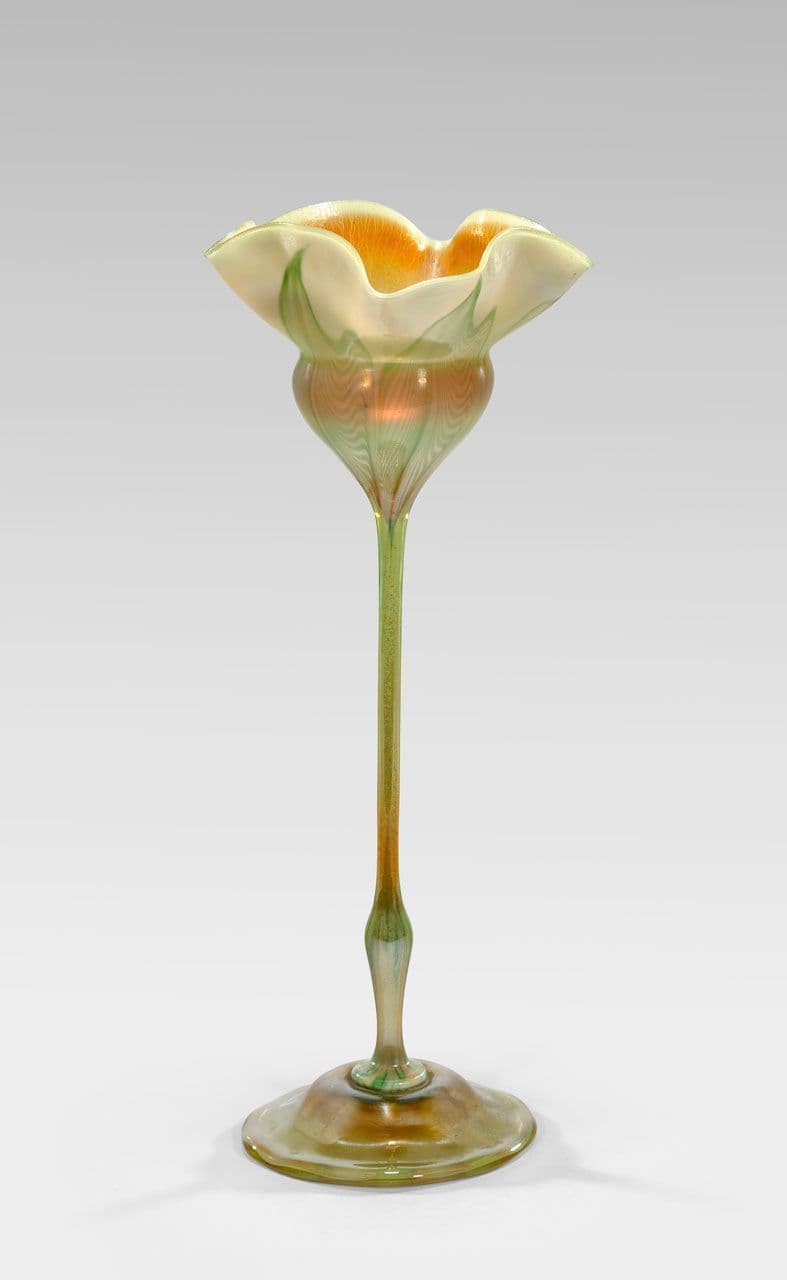
The glass collection started in 1939 with the acquisition of a set of blown and painted glass goblets and a matching pitcher and decanter made by Ludwig Moser & Sons of Karlsbad, Austria (now Karlovy Vary, Czech Republic). The set—originally owned by the Crocker family—was donated by Jennie Crocker Fassett and the Ladies’ Museum Association. With gifts received in the 1960s and again in 2019, the collection expanded to include important examples of ancient glass produced by Roman and Mediterranean makers from the 5th century BCE through the 7th century CE. These works illuminate the role of glass in everyday life, including iridescent mold-blown and free-blown vessels used as tableware or as containers for the transport of foodstuffs, oils, perfumes, and medicines. In recent years, the Museum has further expanded its holdings to include exceptional examples by Art Nouveau artists and designers influenced by Japan and the ideals of the Arts and Crafts movement. Artwork by Louis Comfort Tiffany, Émile Gallé, Daum Frères, and Steuben Glass Works are well represented, deepening the collection’s representation of innovation and artistry at the turn of the 20th century.
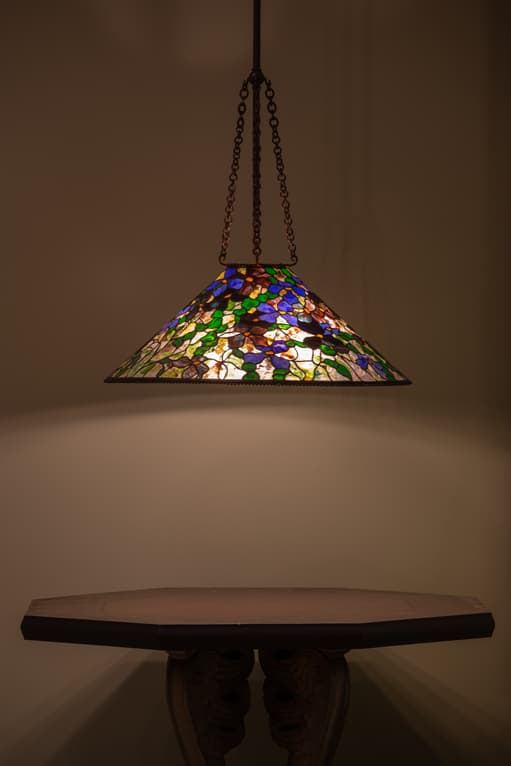
Tiffany Studios (American, 1878–1932), Clematis Hanging Lamp, early 20th century. Glass and Bronze, 12 x 30 (diam.) in. Crocker Art Museum, gift of Don Treadway, 2024.68.1.
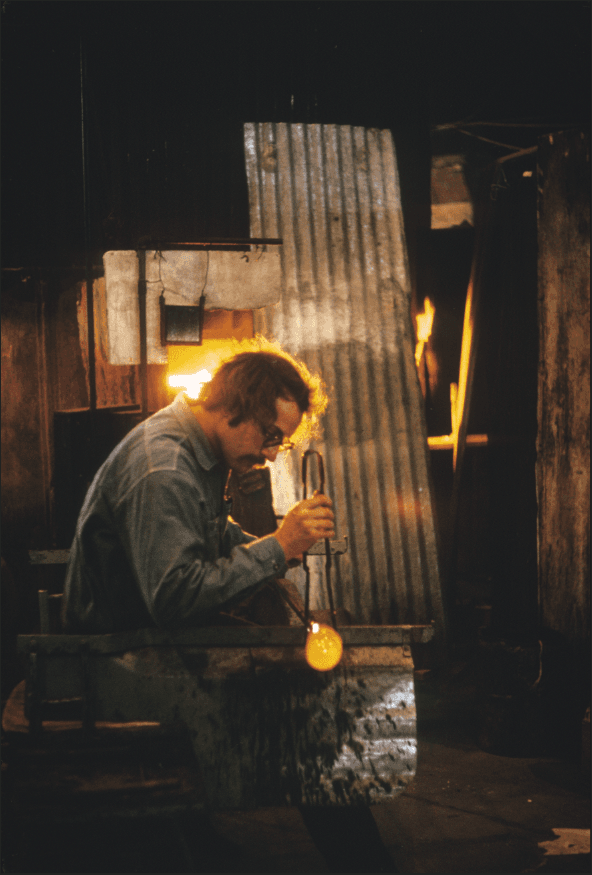
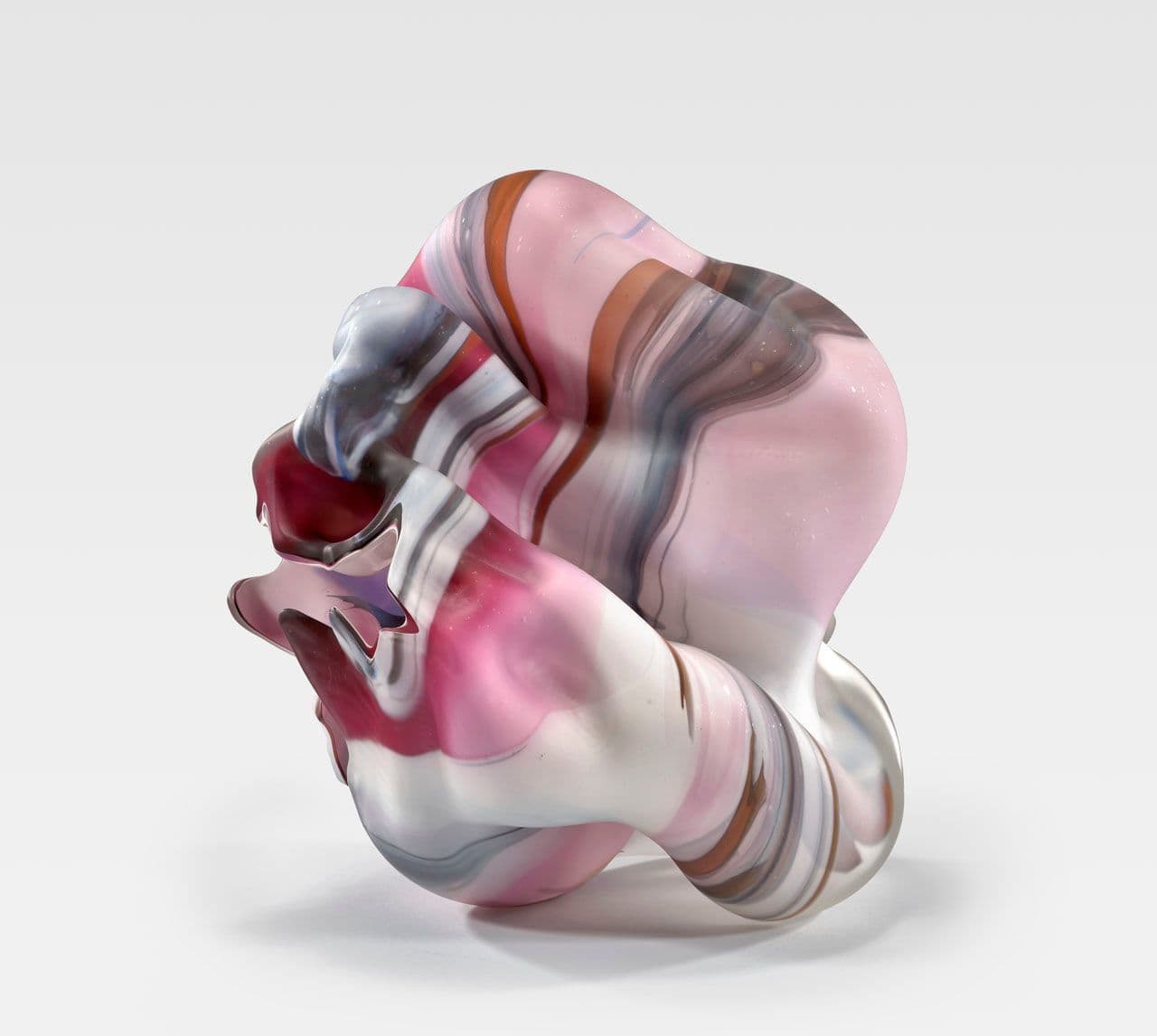
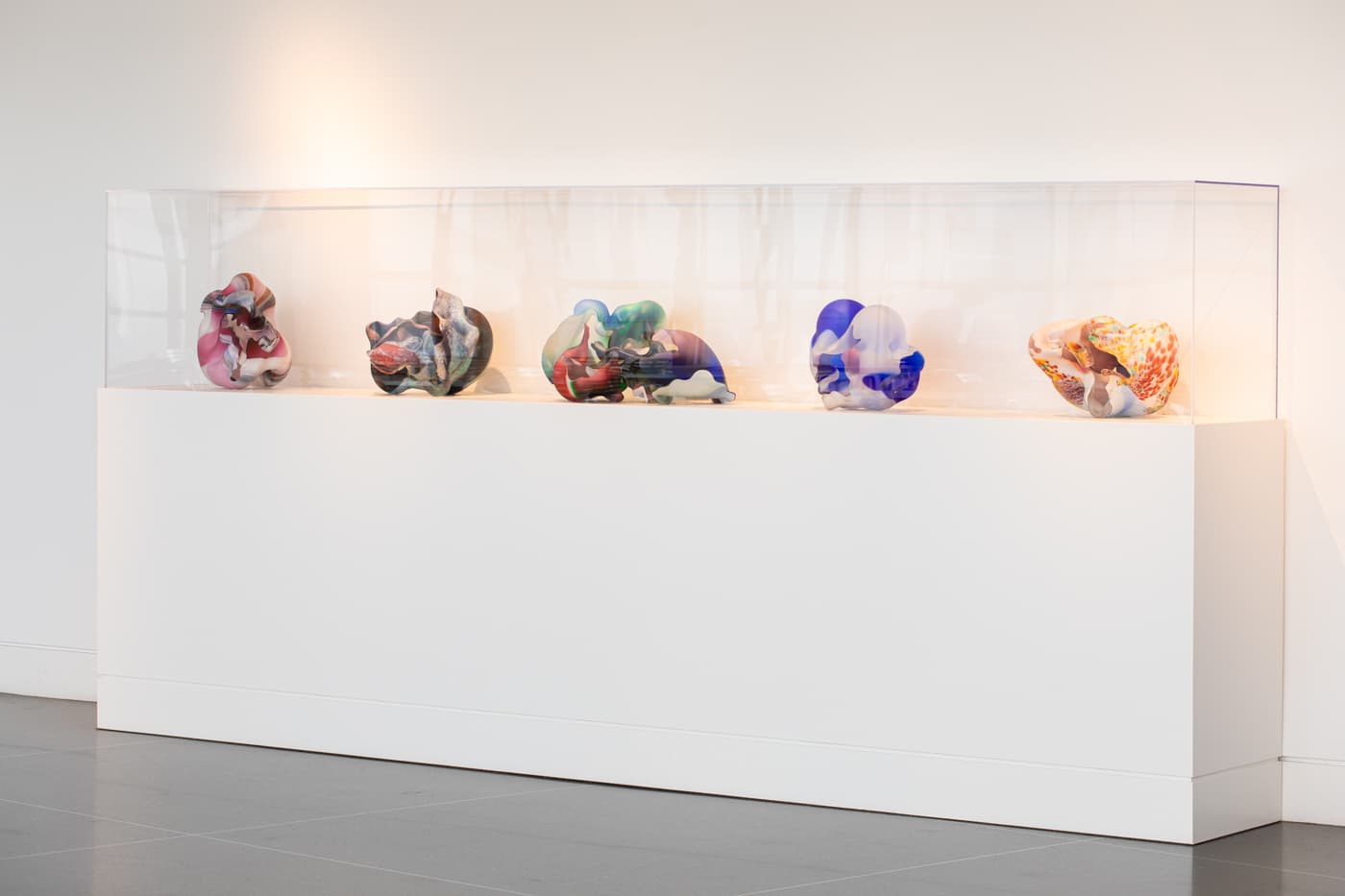
The 1960s and 1970s marked a period of rediscovery and experimentation in glass sculpture, as artist-educators pushed the boundaries of hot glass processes beyond the factory and into the studio, embracing the medium as a vehicle for cultural critique and artistic expression. It was at this time that the Crocker organized the groundbreaking 1967 one-person exhibition Marvin Lipofsky: Glass/Sculpture, which was among the first exhibitions to present a contemporary body of work created entirely in glass and led to gifts of Lipofsky’s early work in 1974. In 2025, the exhibition Marvin Lipofsky Blows Glass celebrated the Lipofsky Estate’s most recent gift of twelve artworks.
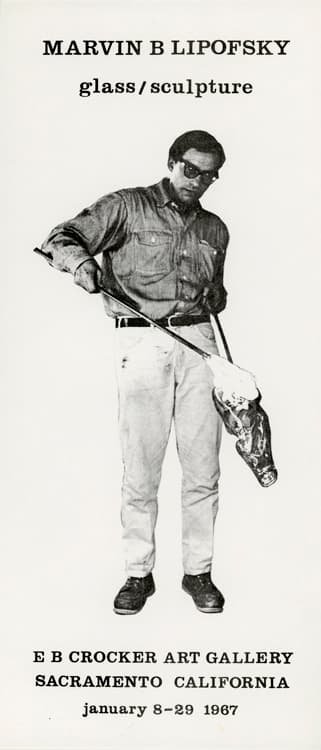
Poster for Marvin Lipofsky: Glass/Sculpture organized by the E. B. Crocker Art Gallery (now the Crocker Art Museum) in 1967.
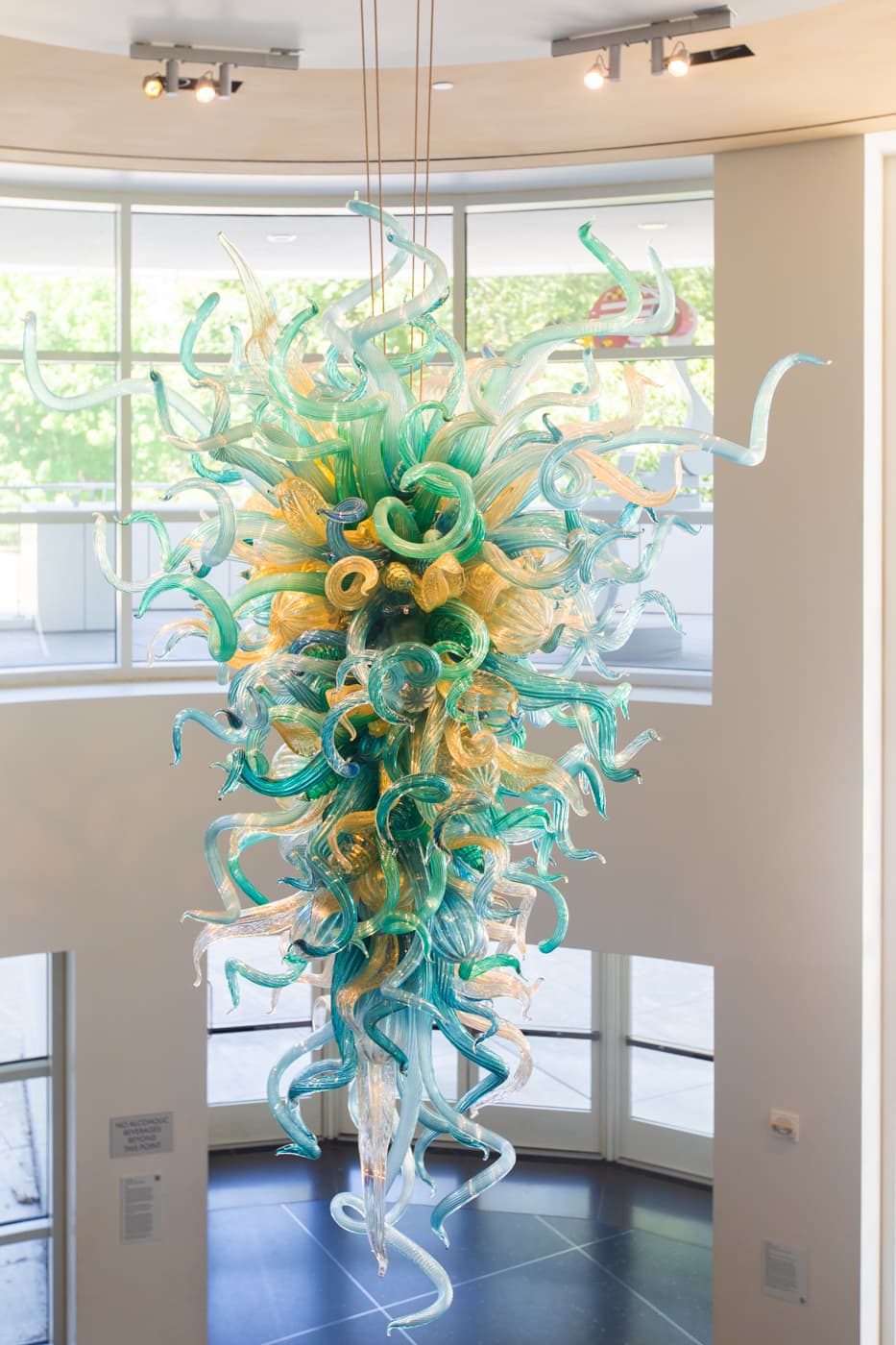
In the decades following WWII, visitors to the Crocker would have encountered contemporary glass in the long-running California Crafts exhibition series. Organized biannually from 1959 through 1989, California Crafts was a juried exhibition organized by the Creative Arts League of Sacramento (CALS). Also reflecting this spirit of innovation, in 2016, two monumental glass sculptures by Dale Chihuly were added to the collection and are currently on view: Persian Wall (2006) and Golden Teal Chandelier (2014).
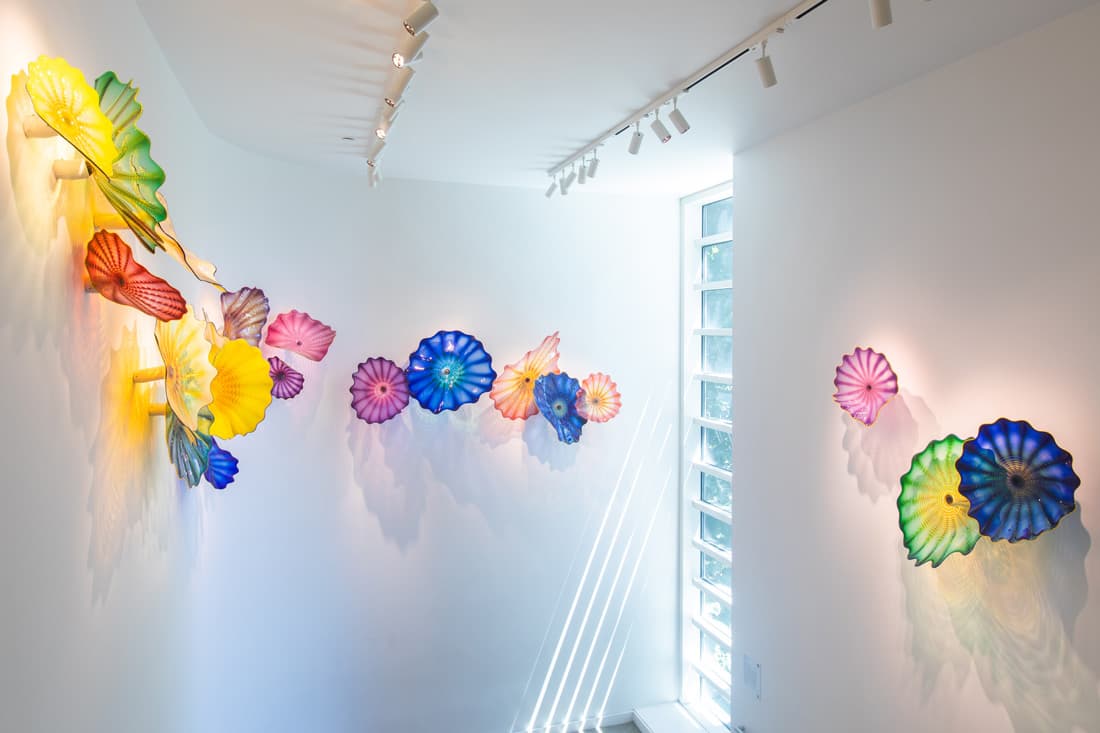
Dale Chihuly (American, born 1941), Persian Wall, 2006. Blown glass, 125 x 125 in. Crocker Art Museum, gift of Julie Rollofson Teel and Michael Teel, 2016.99.a-.u.
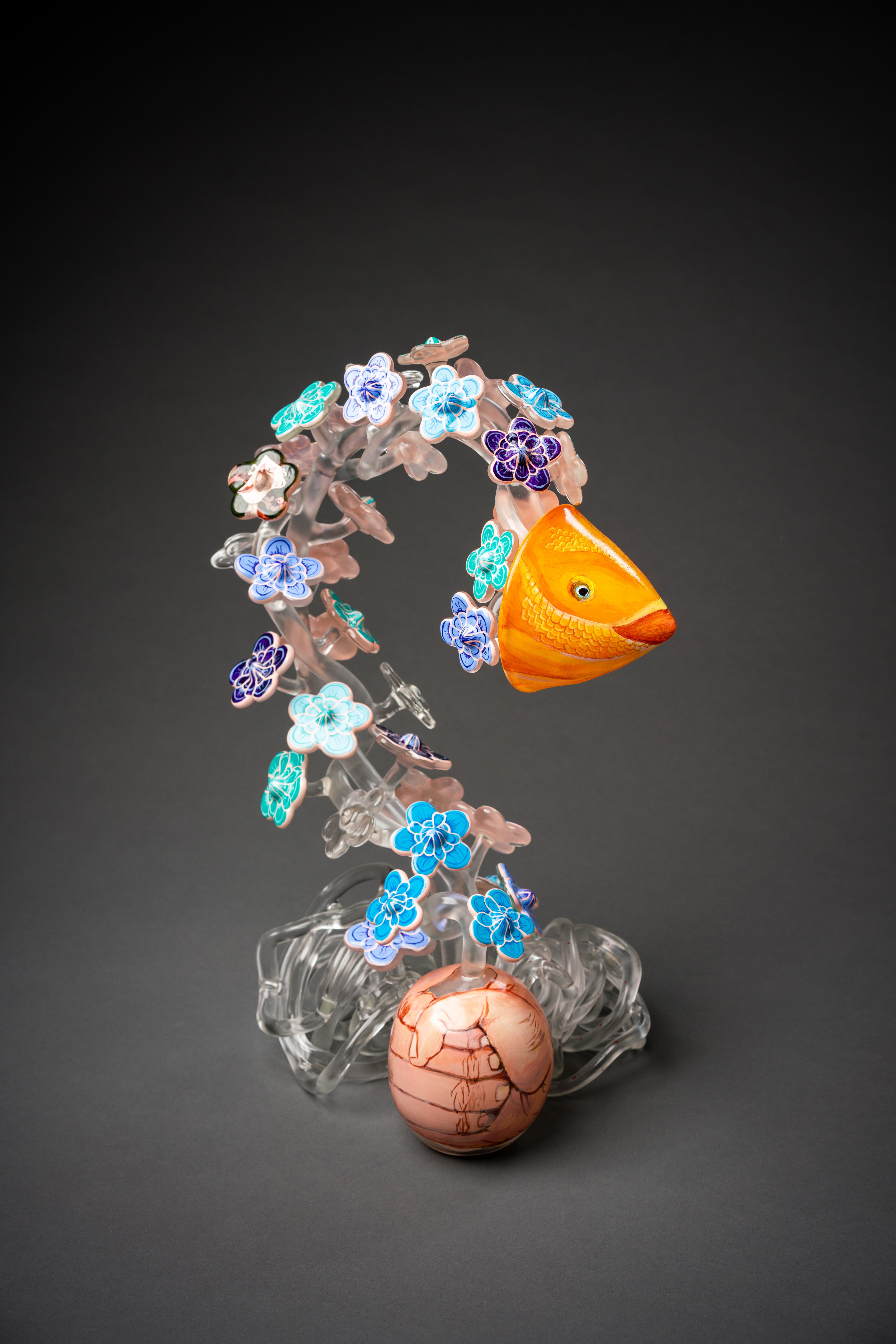
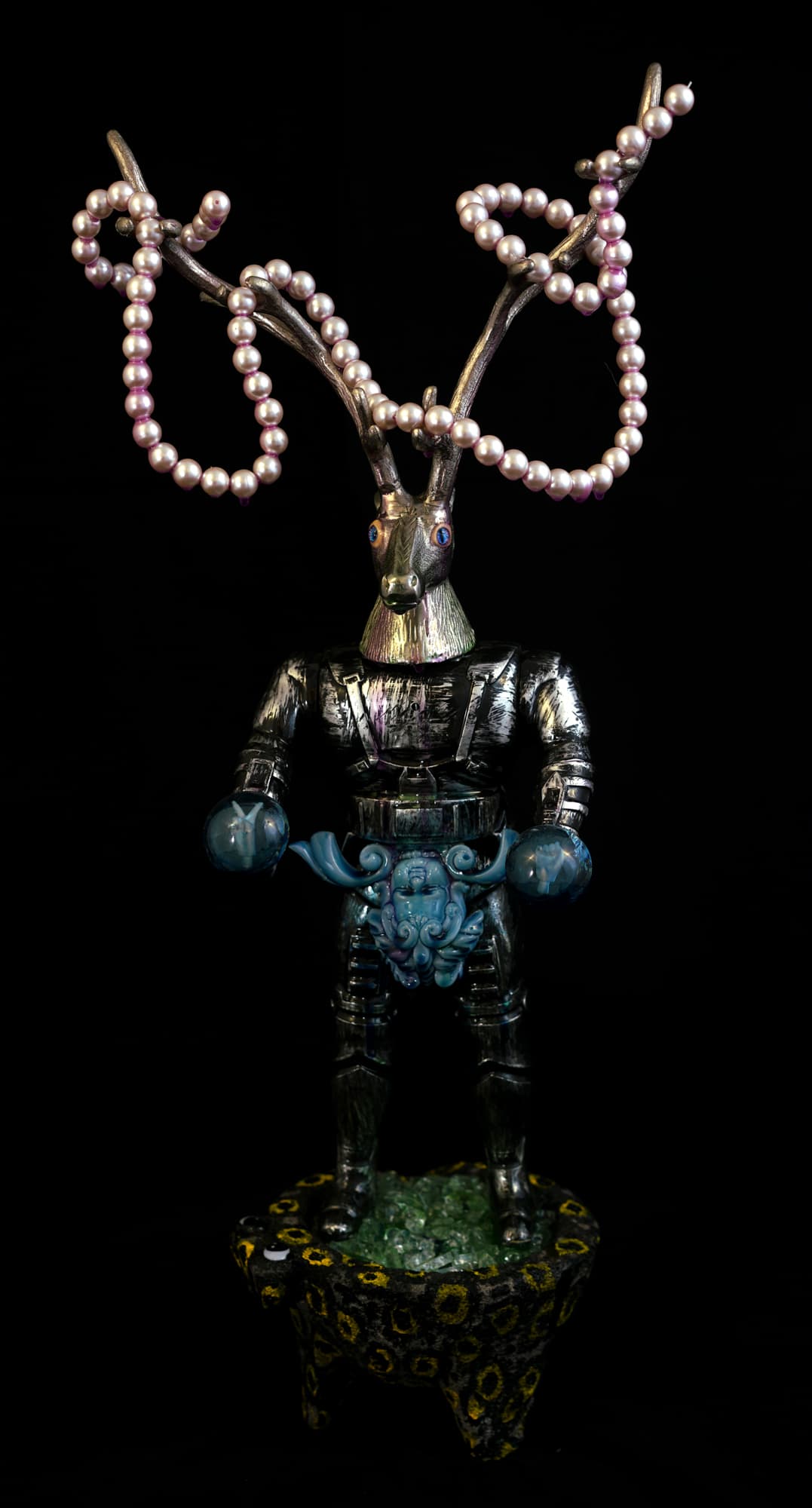
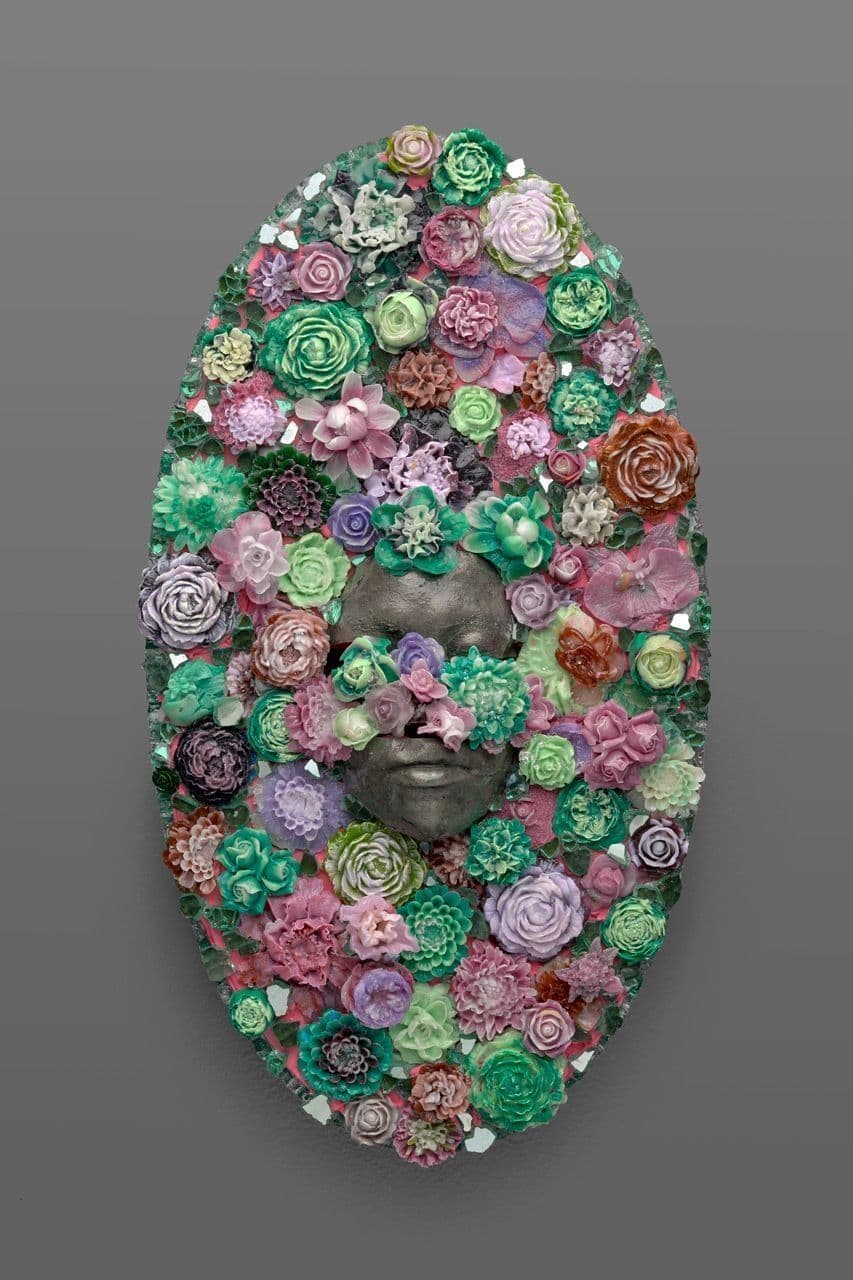
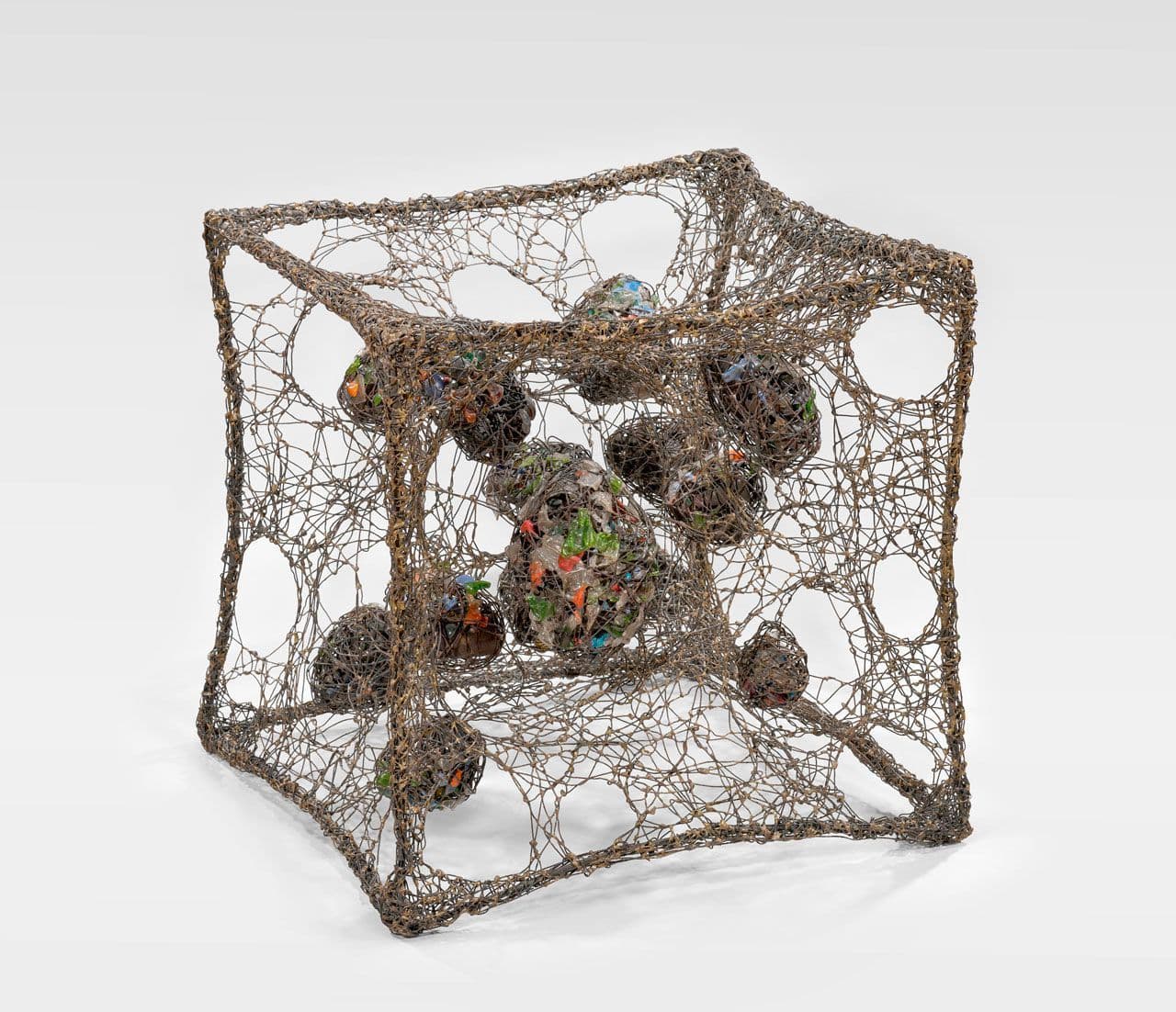
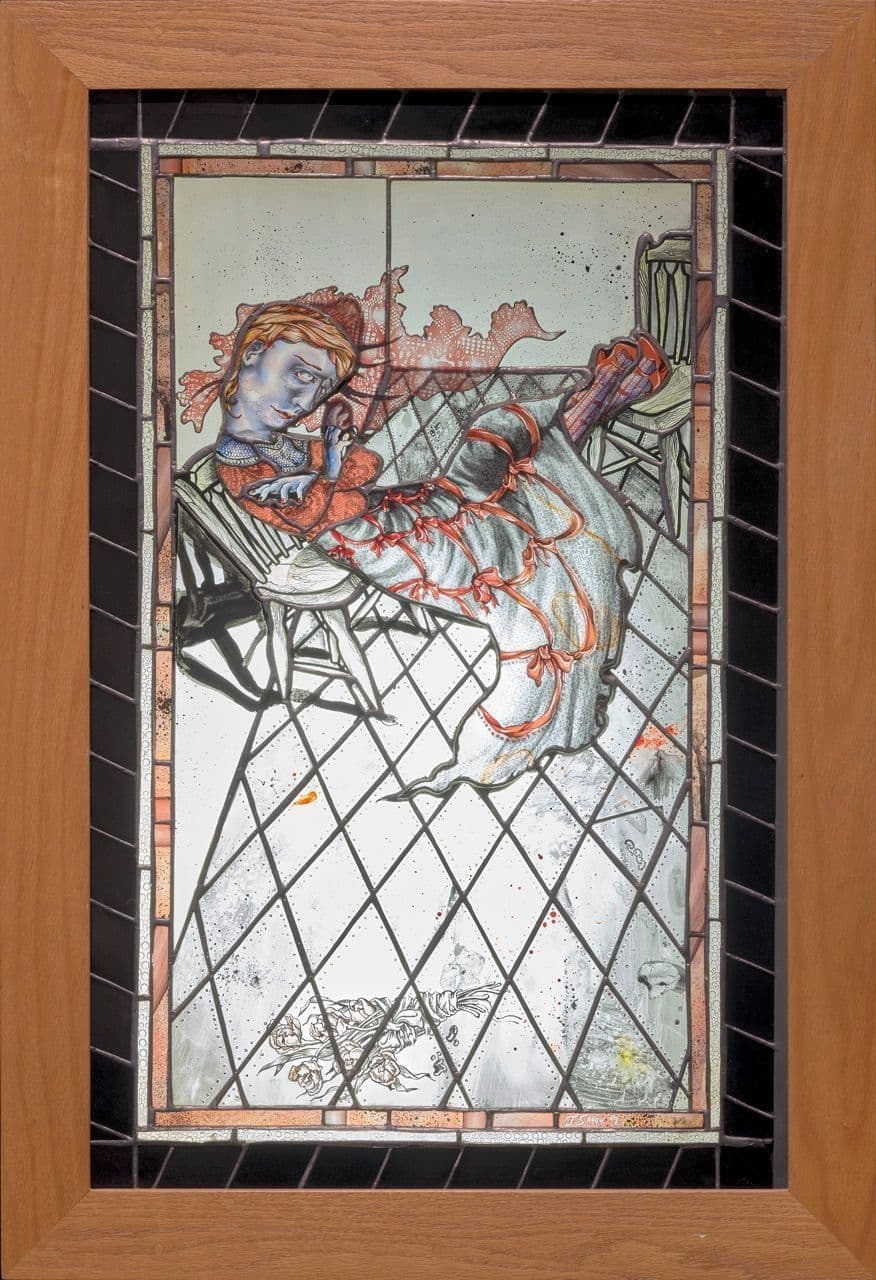
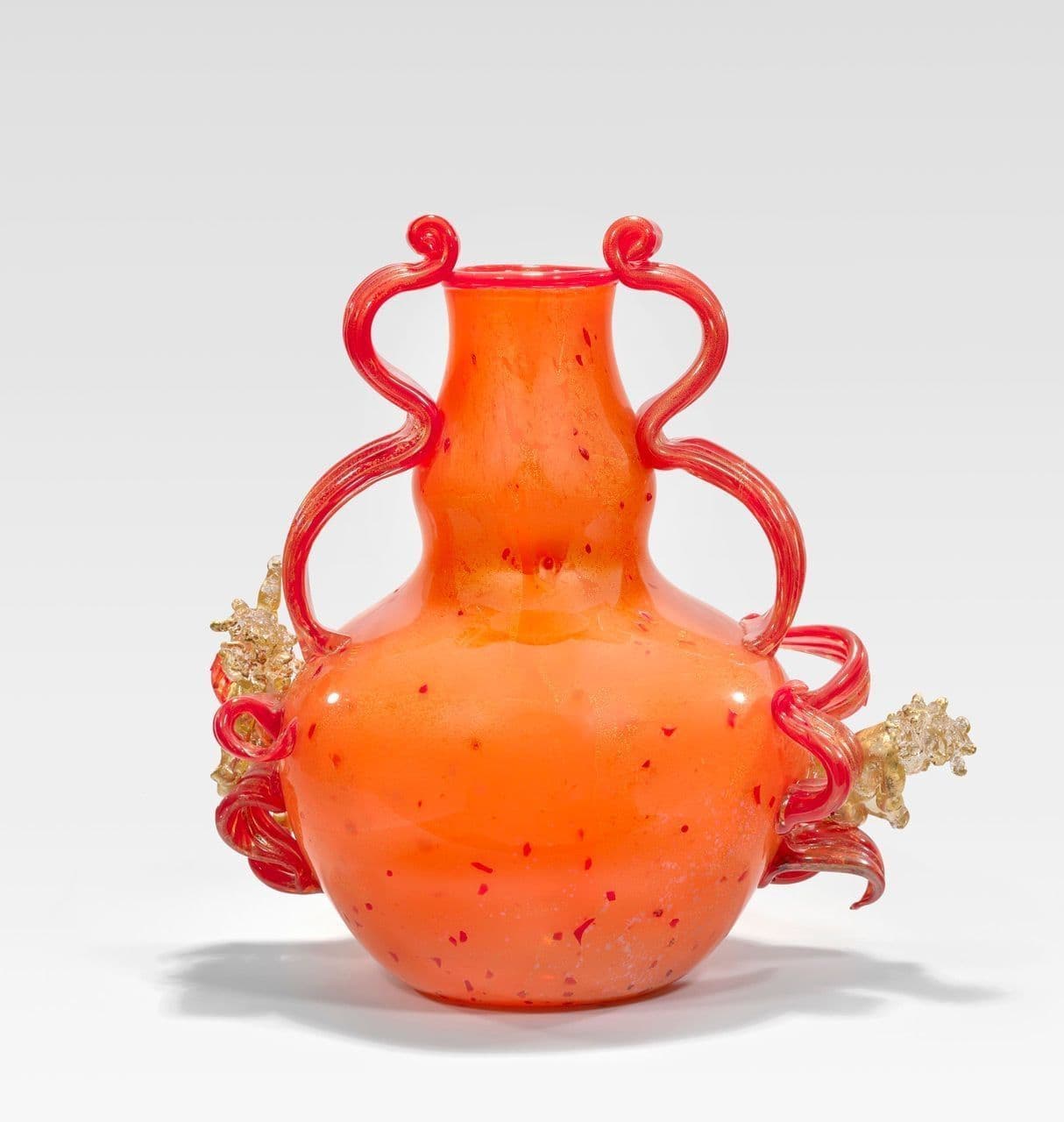
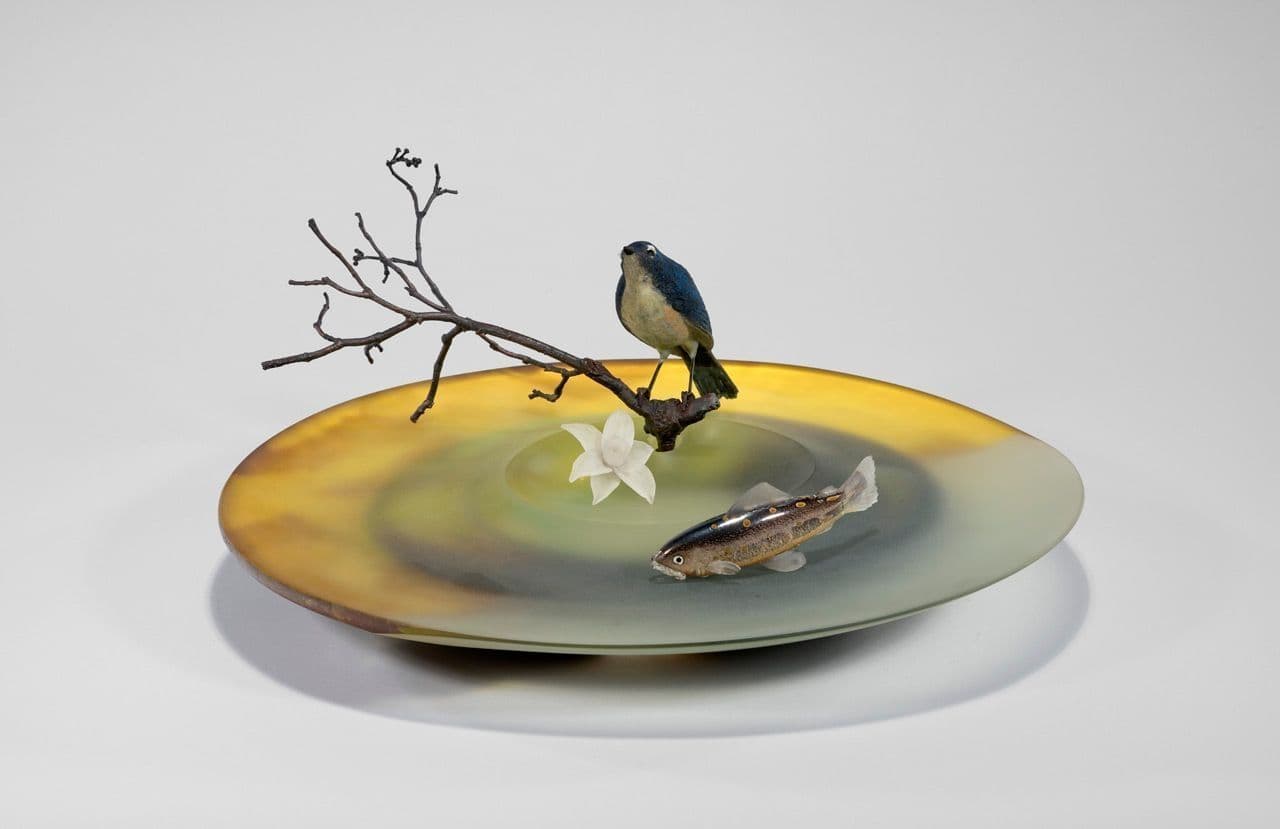
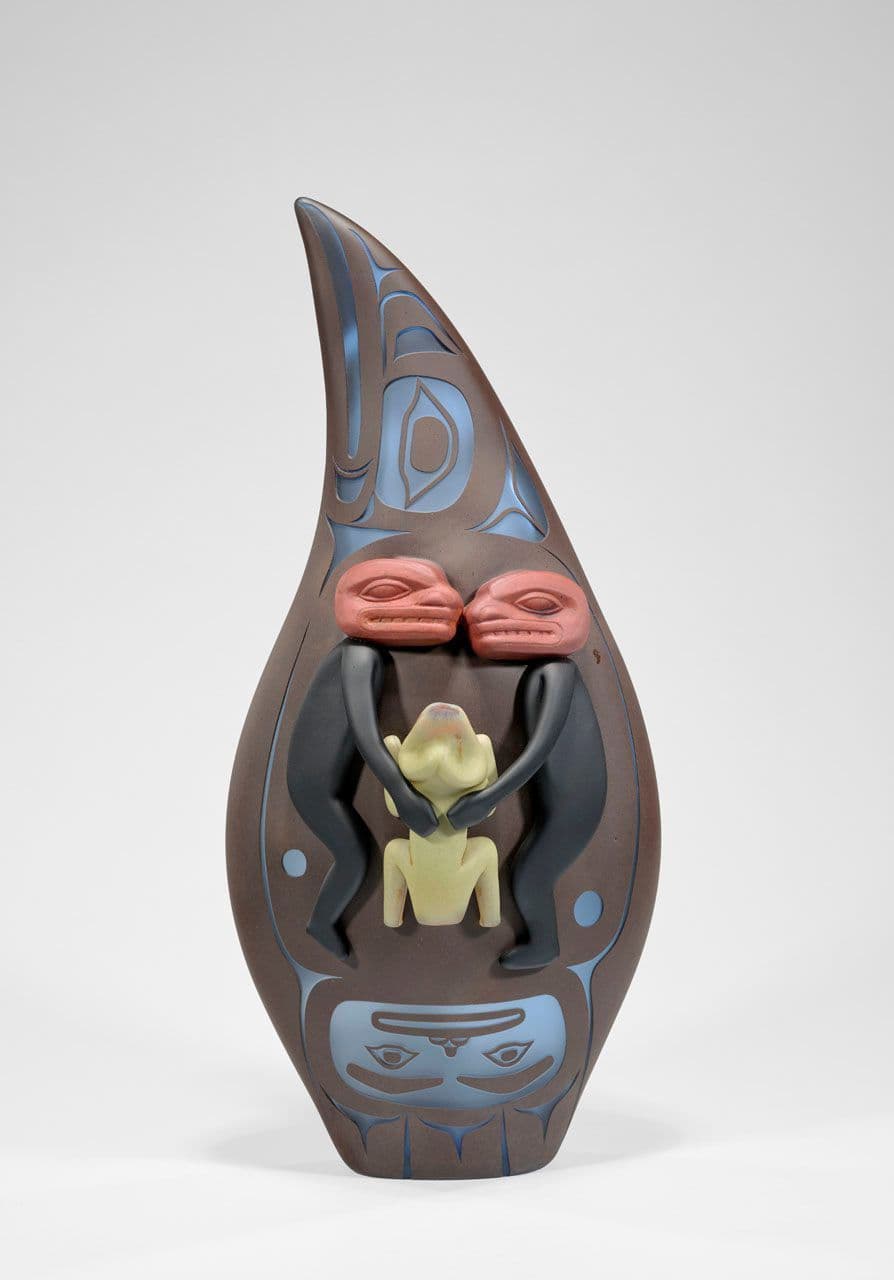
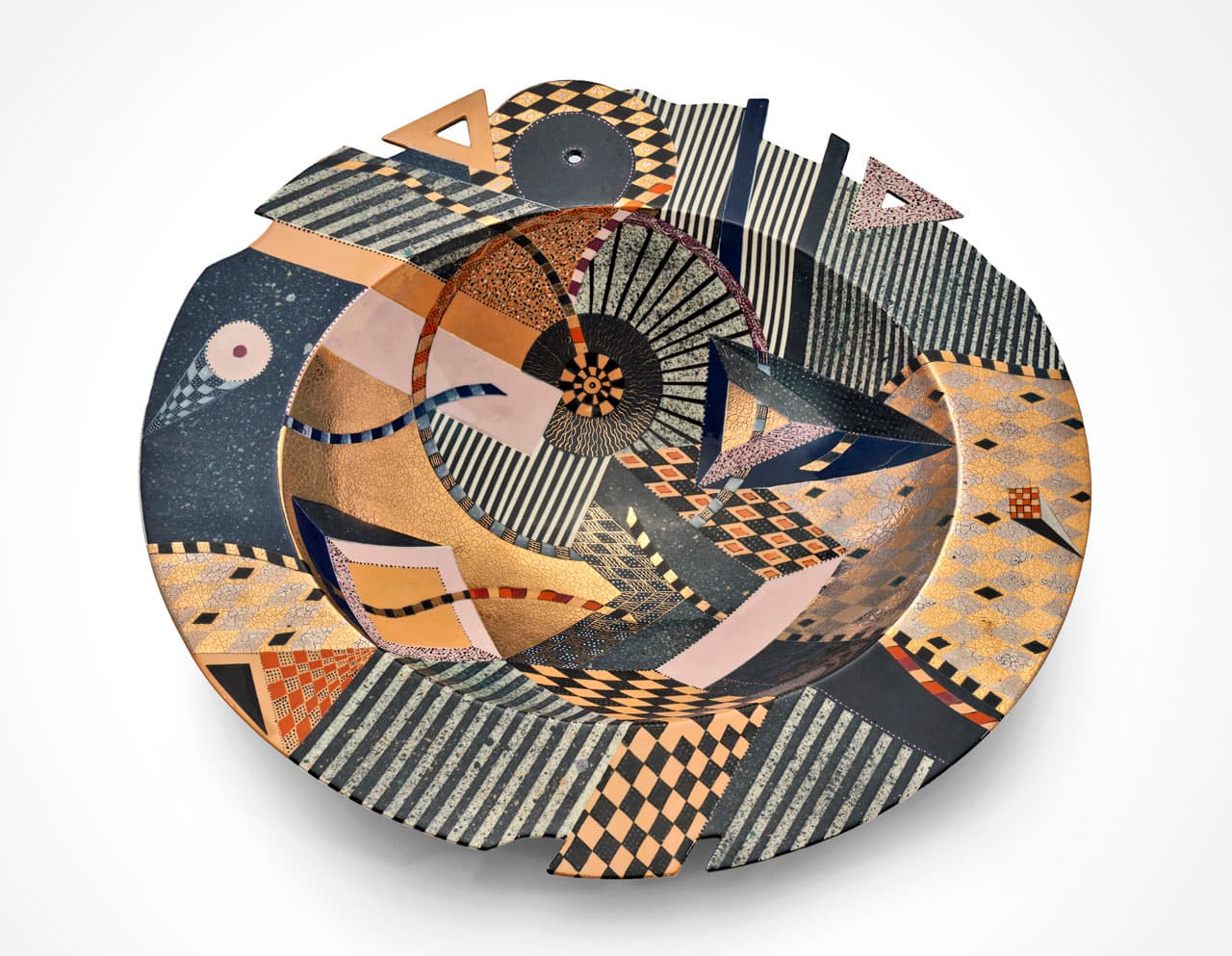
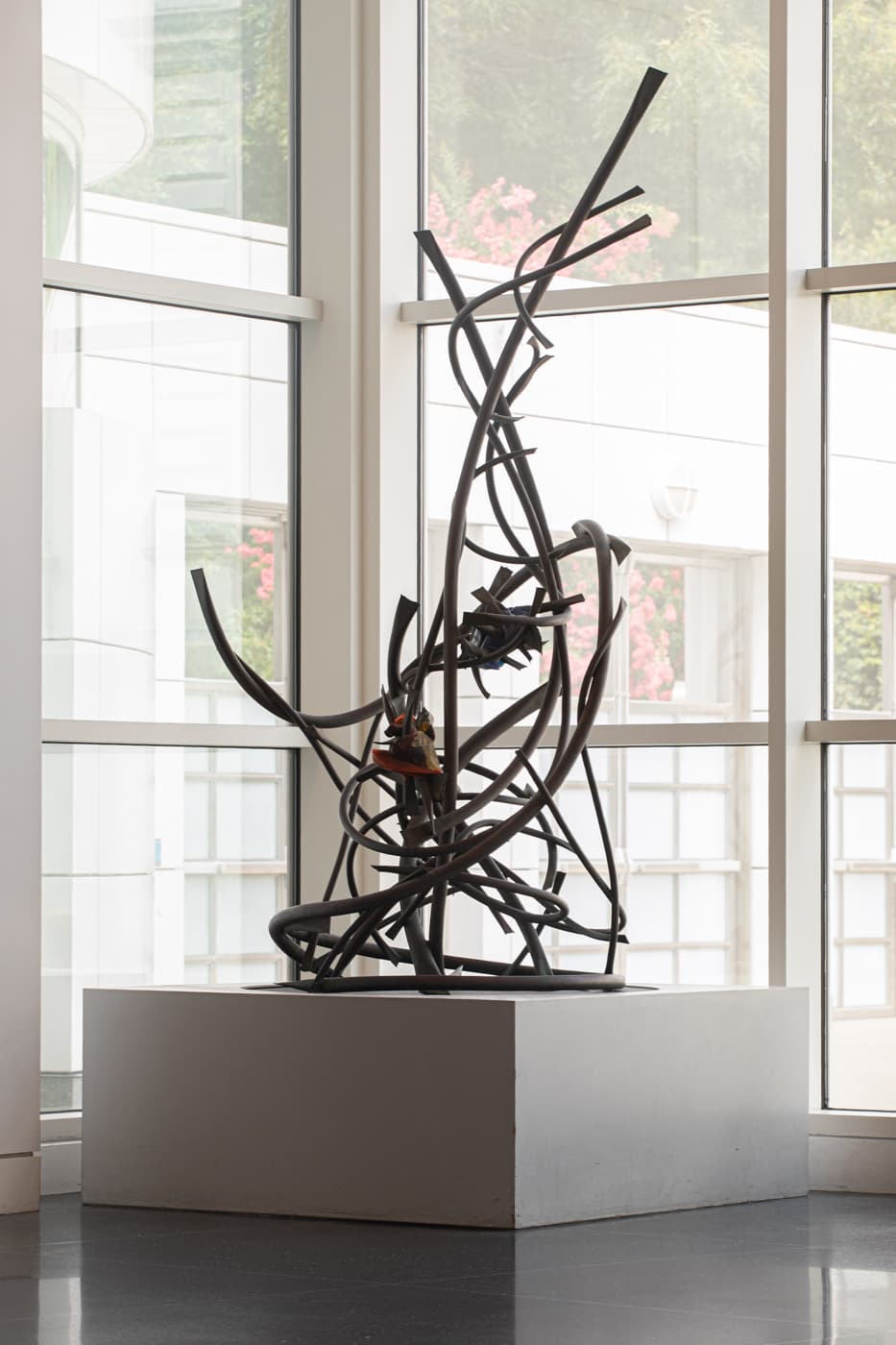
Gifts from donors and the artists themselves, along with subsequent acquisitions, have significantly expanded the Museum’s holdings of international studio glass and contemporary glass sculpture by some of the most influential artists of the 20th and 21st centuries. The collection includes notable figures such as Harvey Littleton, Claire Falkenstein, Richard Marquis, Donte Marioni, Toots Zynsky, Debora Moore, Therman Statom, Mary Shaffer, Sonja Blomdahl, Ginny Ruffner, William Morris, Preston Singletary, Mark Abilgaard, Scott Chaseling, Einar and Jamex de la Torre, Layo Bright, and others. Through innovative glass techniques, these works convey personal experiences as well as broader cultural narratives.
Glass on View
Explore More
Exhibitions and articles related to this collection area.