How Prints are Made
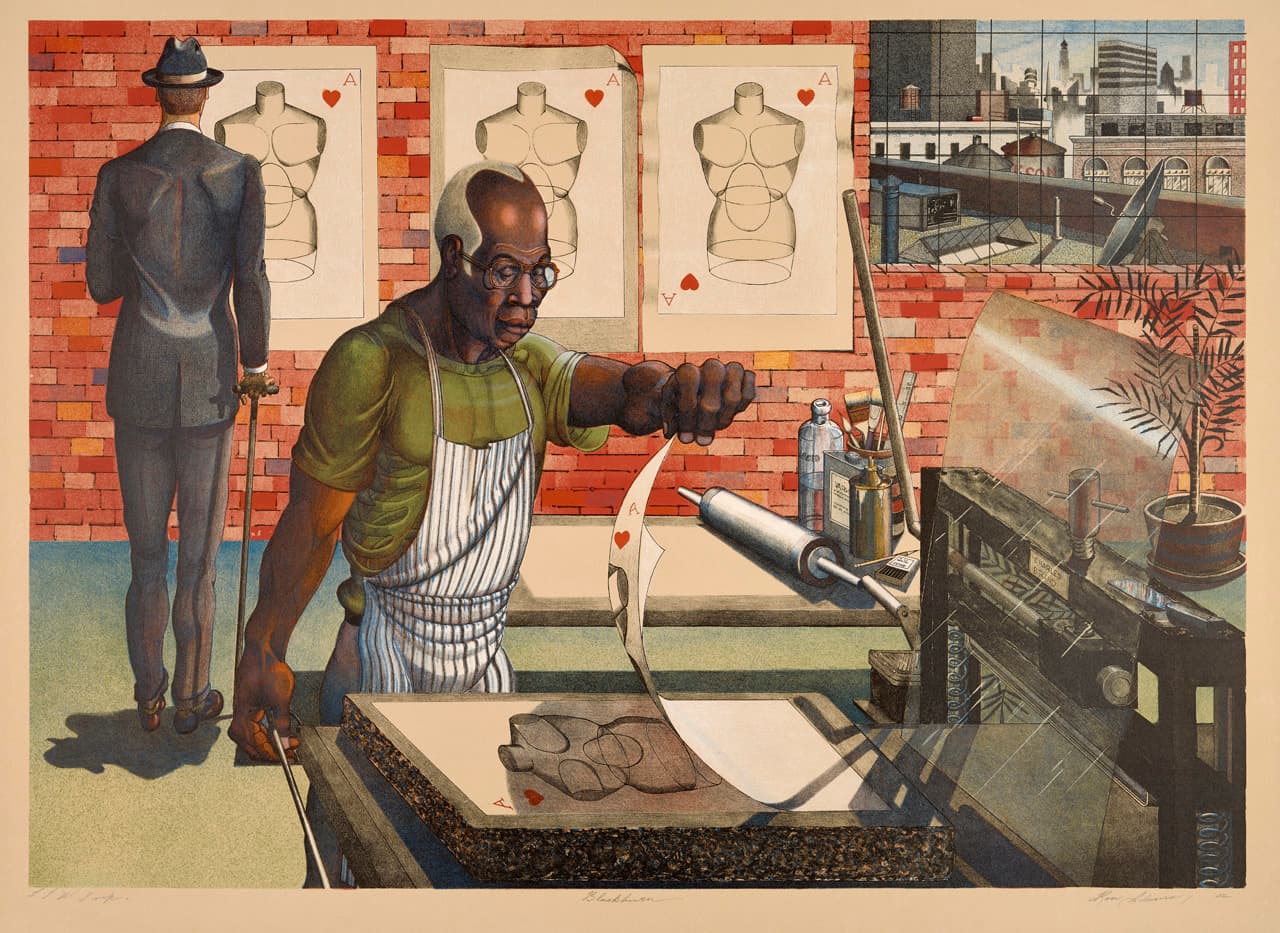
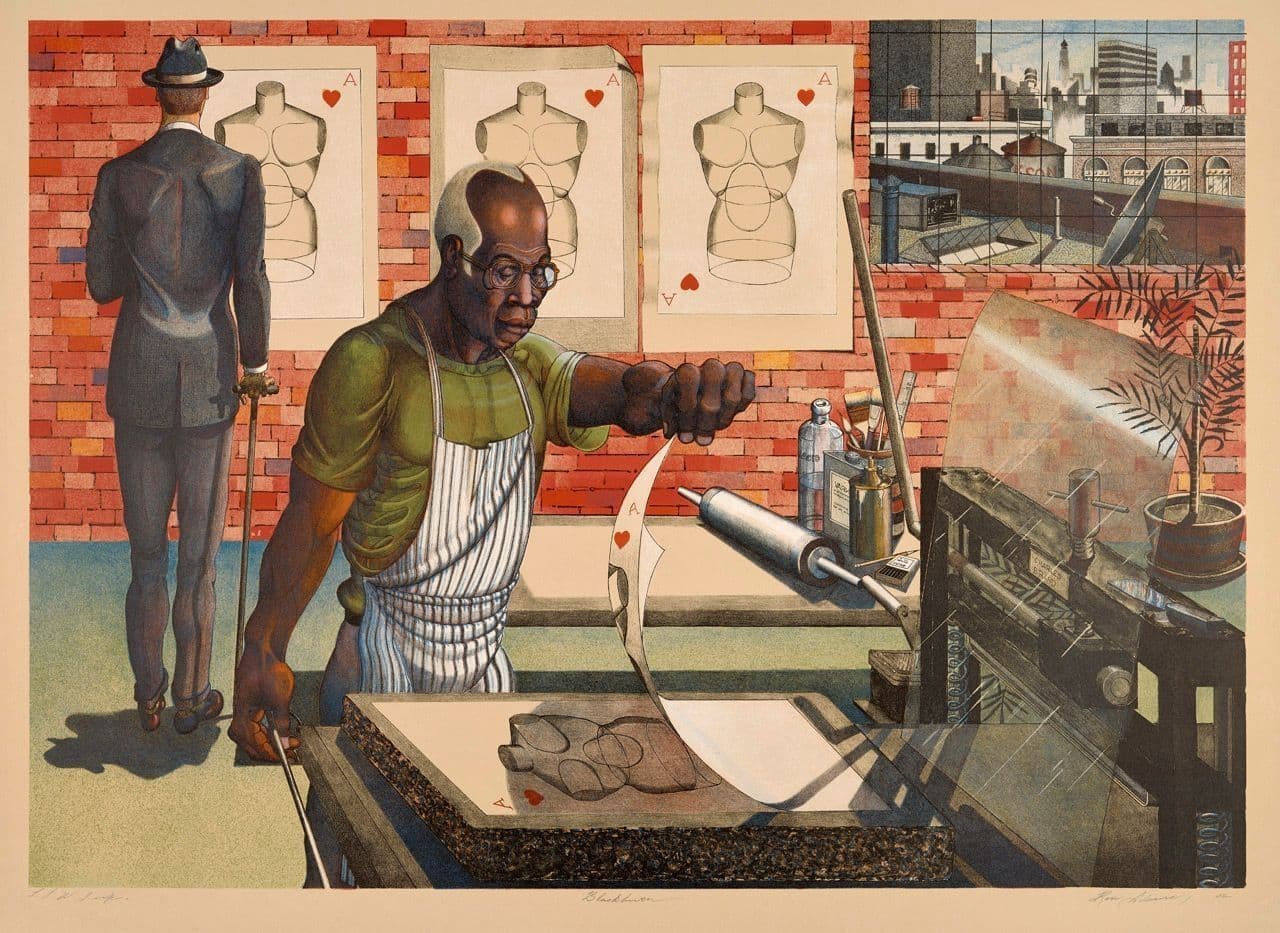
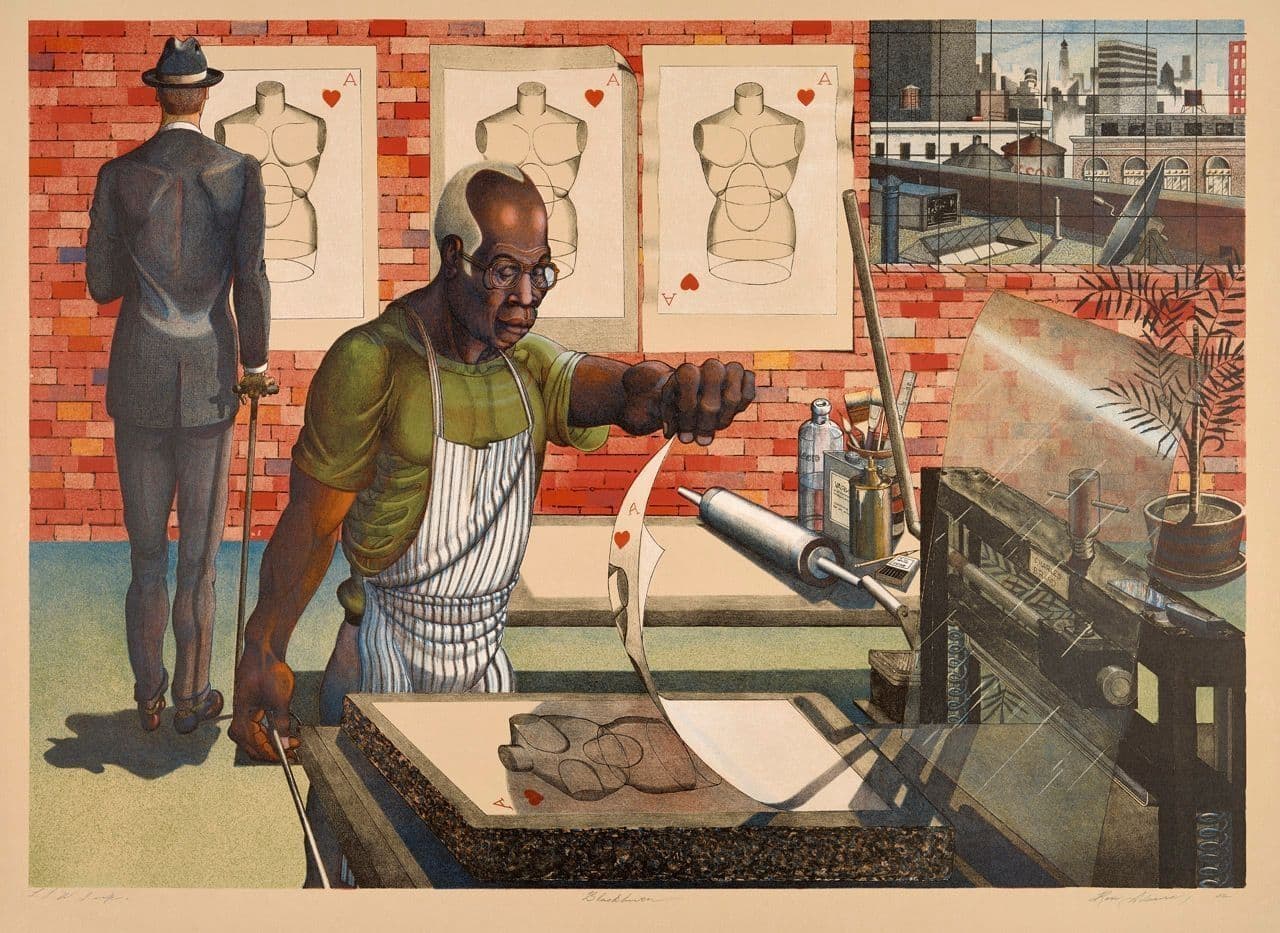
Image: Ron Adams (American, 1934–2010), Blackburn, 2002. Lithograph, edition: L.L.W. Imp., 25 x 35 in. Crocker Art Museum purchase with funds provided by Simon K. Chiu, 2022.96.1.
What's a Print?
A print is a type of artwork made in multiples using a plate or block (called a matrix). The artist, sometimes with the help of a master printer, works to make an image on a matrix or set of matrices. The image is then transferred from the matrix to paper or another surface (called the substrate).
Prints can be made with a variety of processes, but there are key parts of printmaking that stay the same. Generally, ink is applied to the matrix, and pressure transfers the ink from the matrix to the substrate.
Two of the main methods of printmaking are intaglio and relief. These methods differ in how the matrix holds ink. Other common methods of printmaking include screenprints and planographic prints.
About Relief Prints
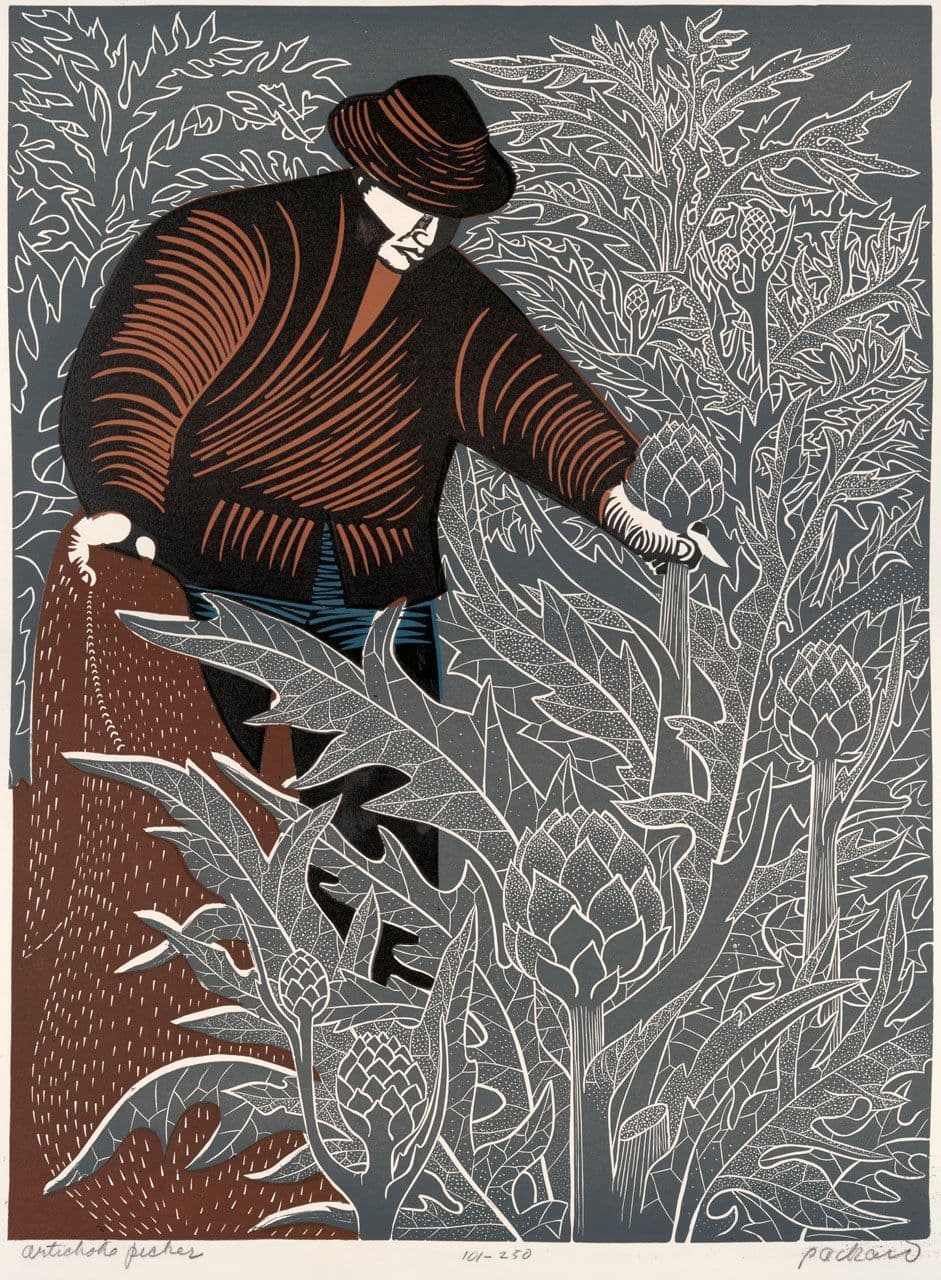
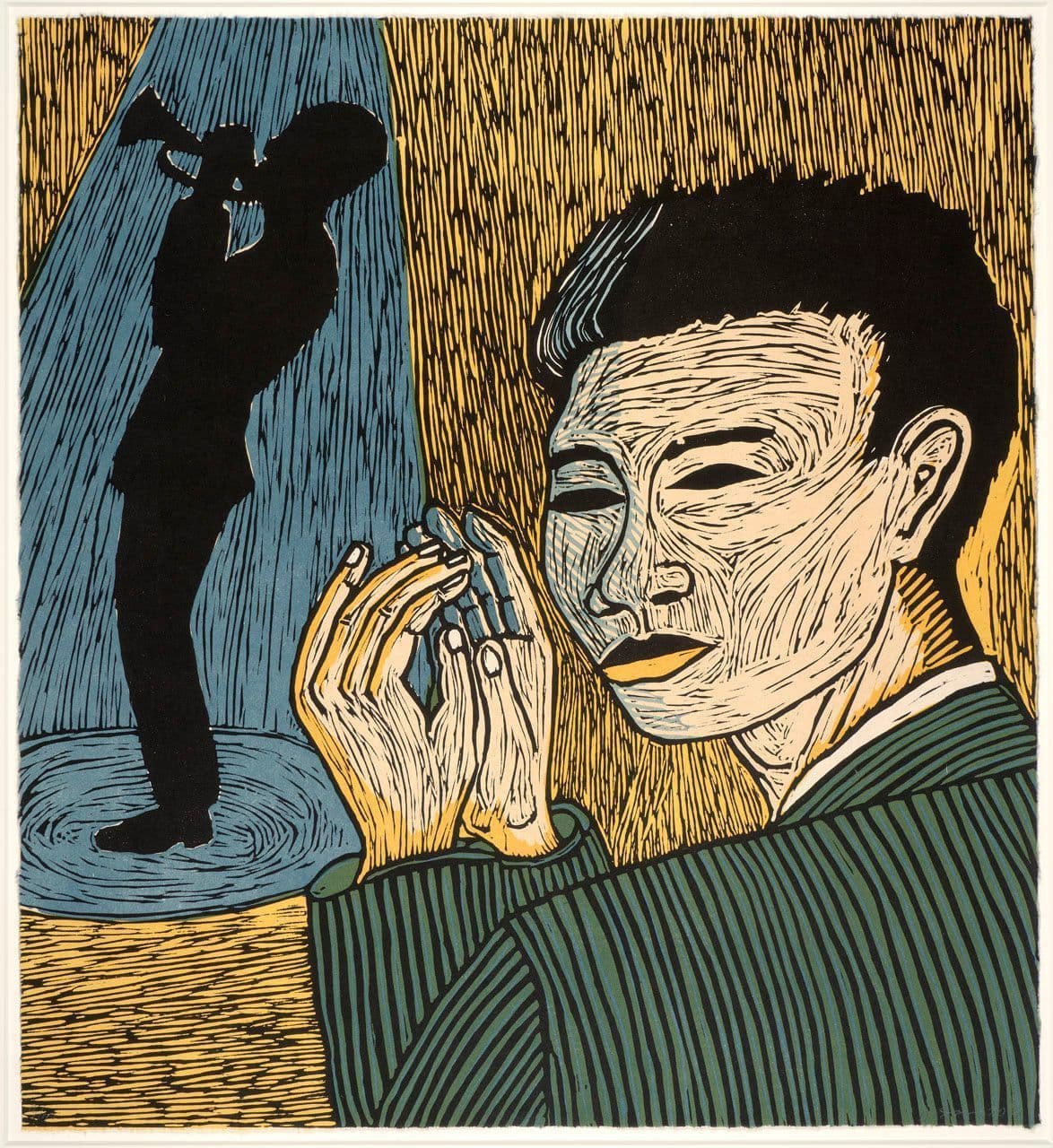
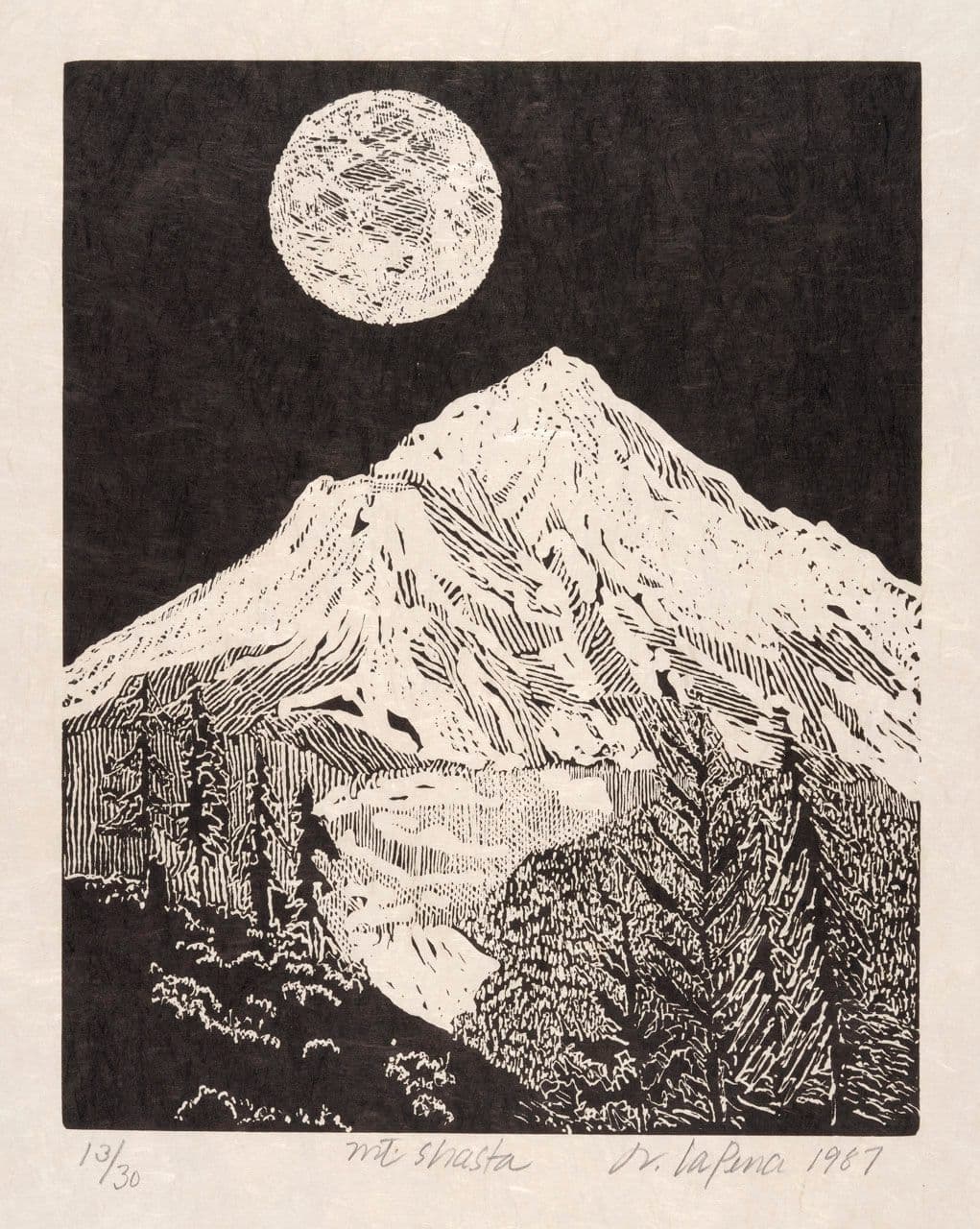
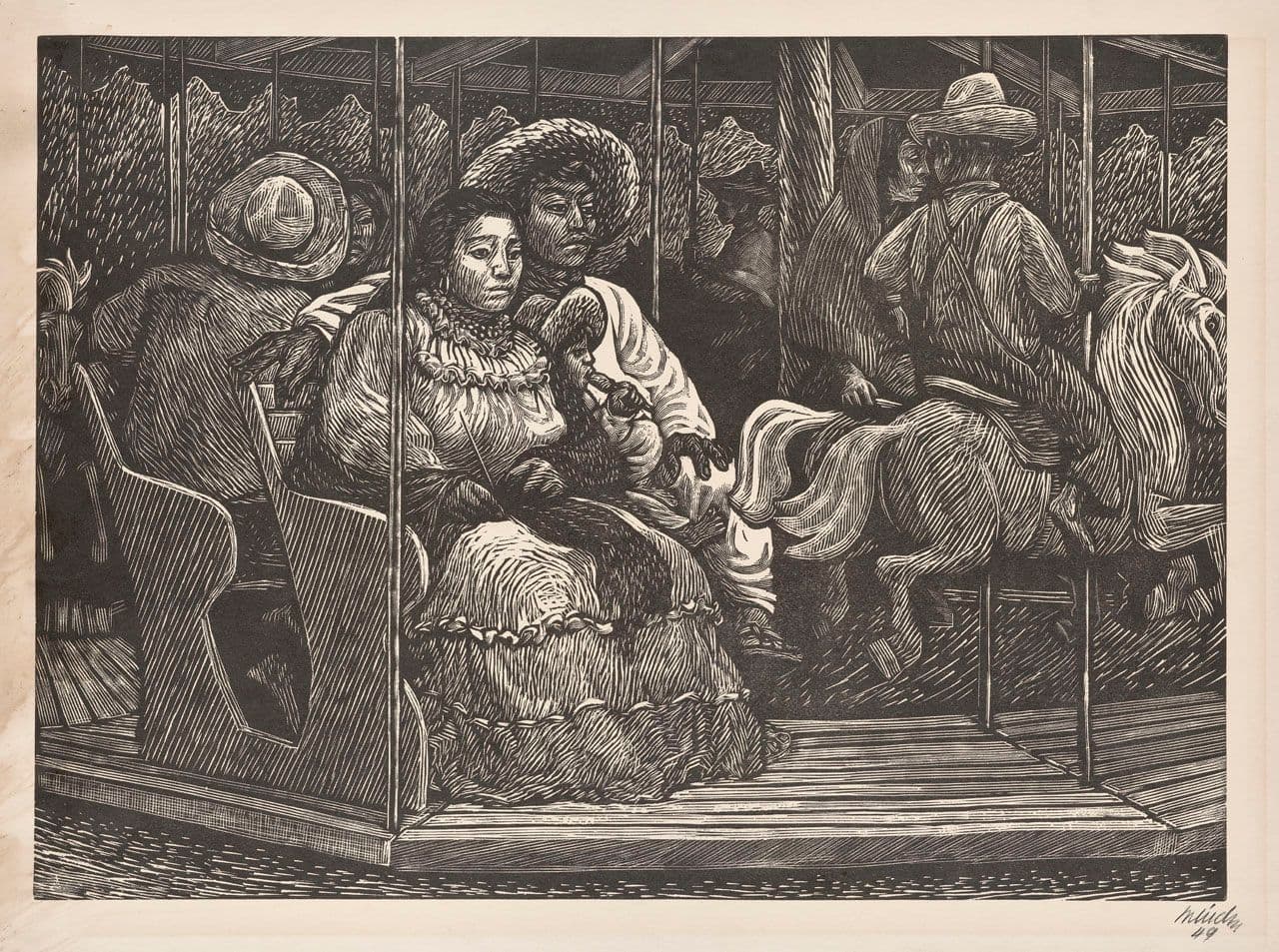
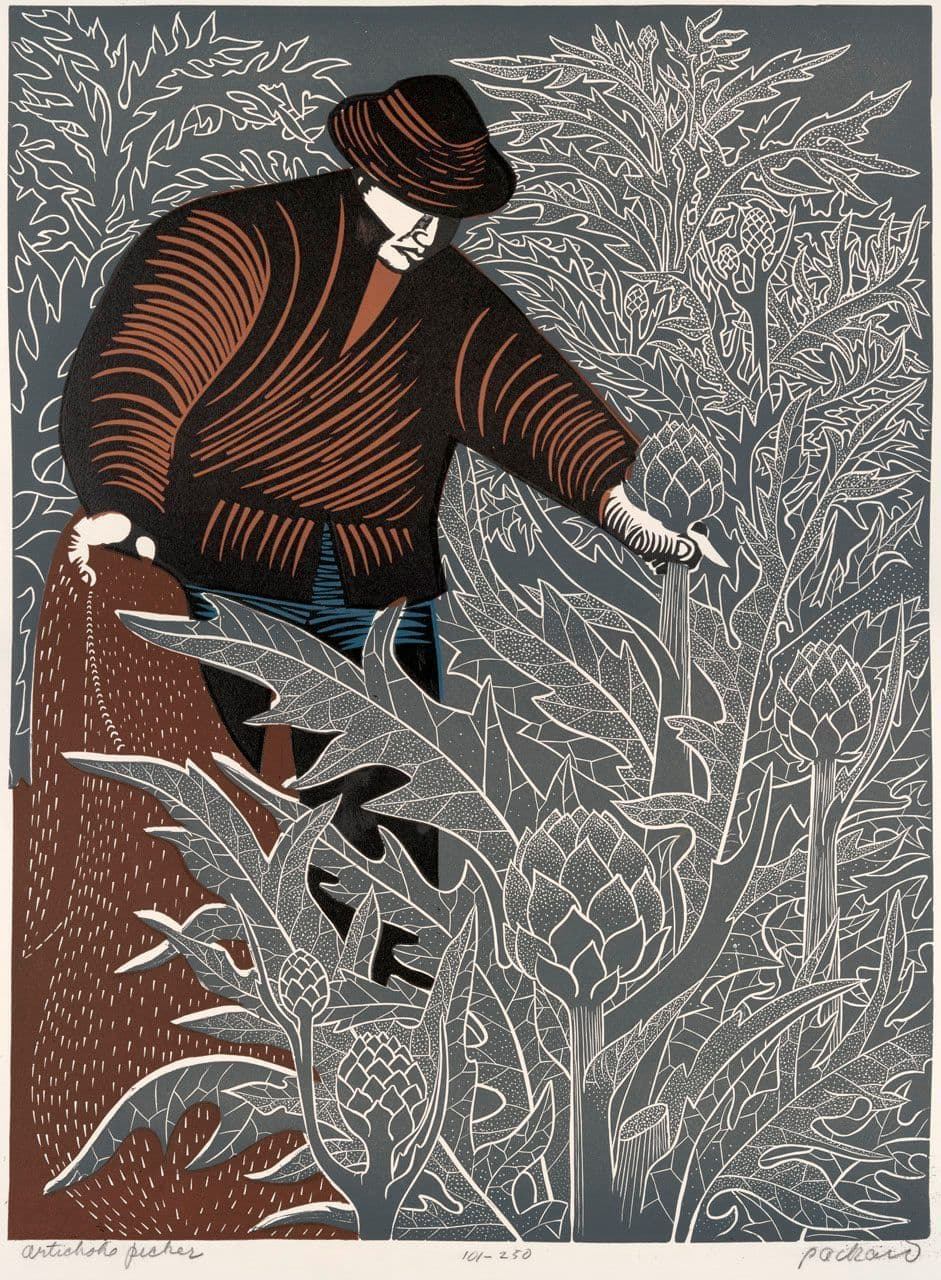
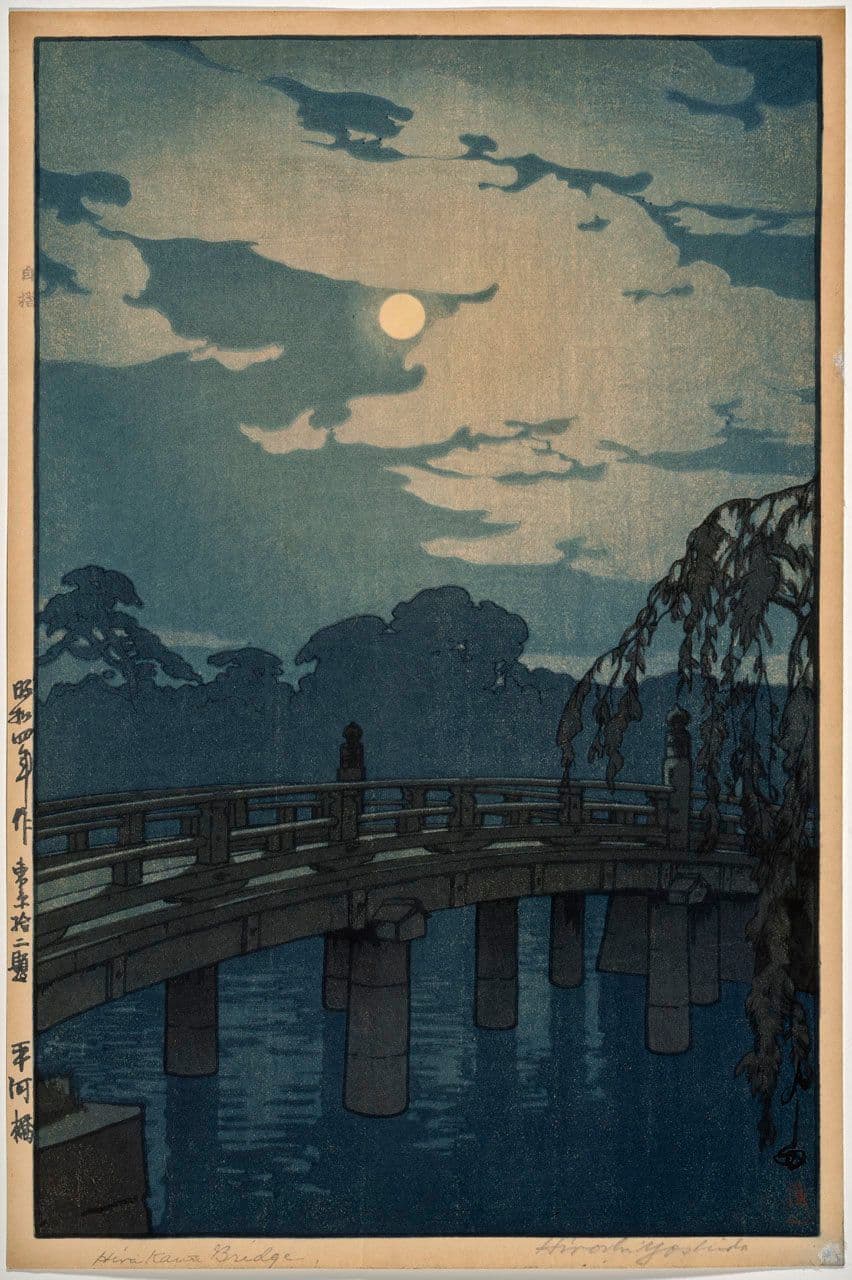
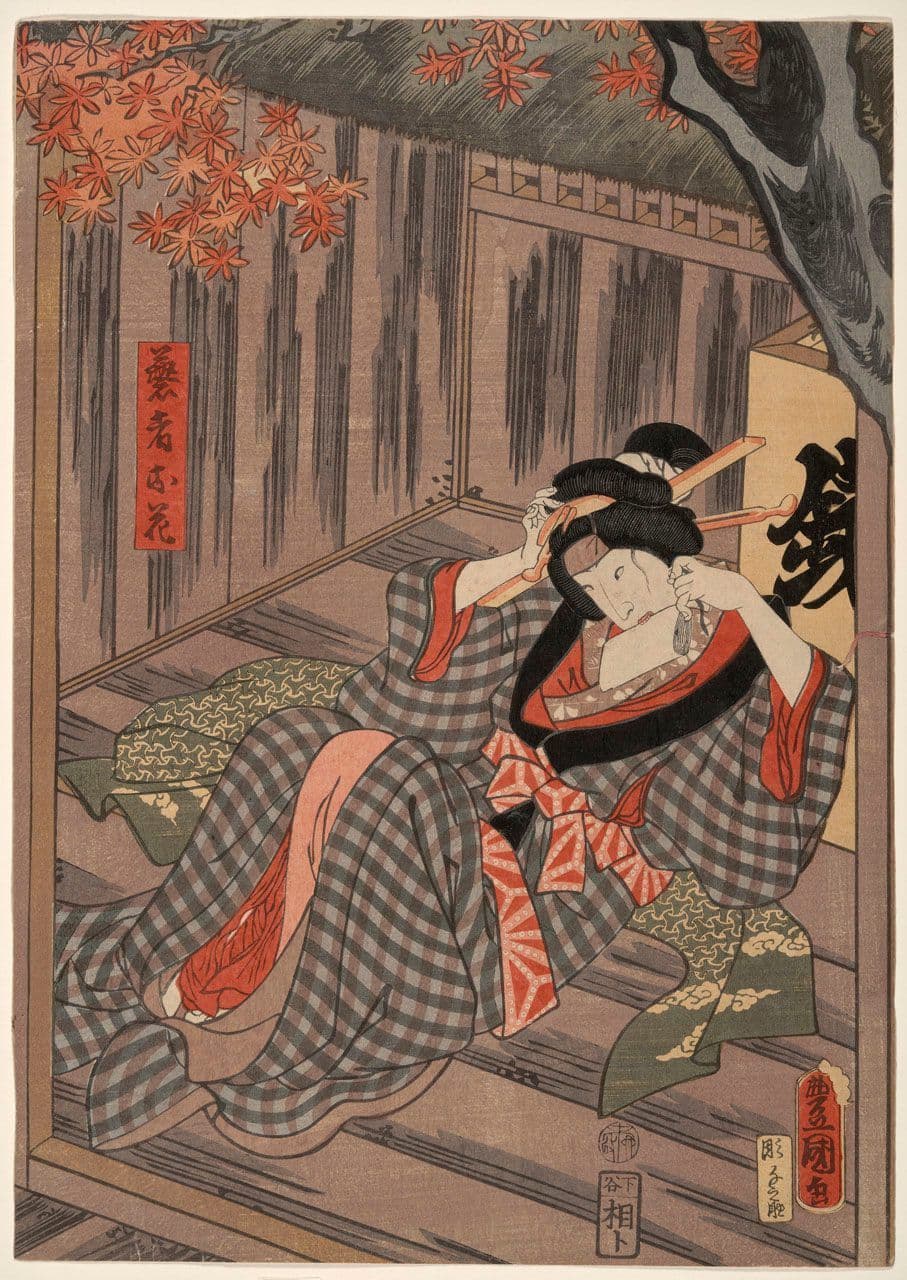
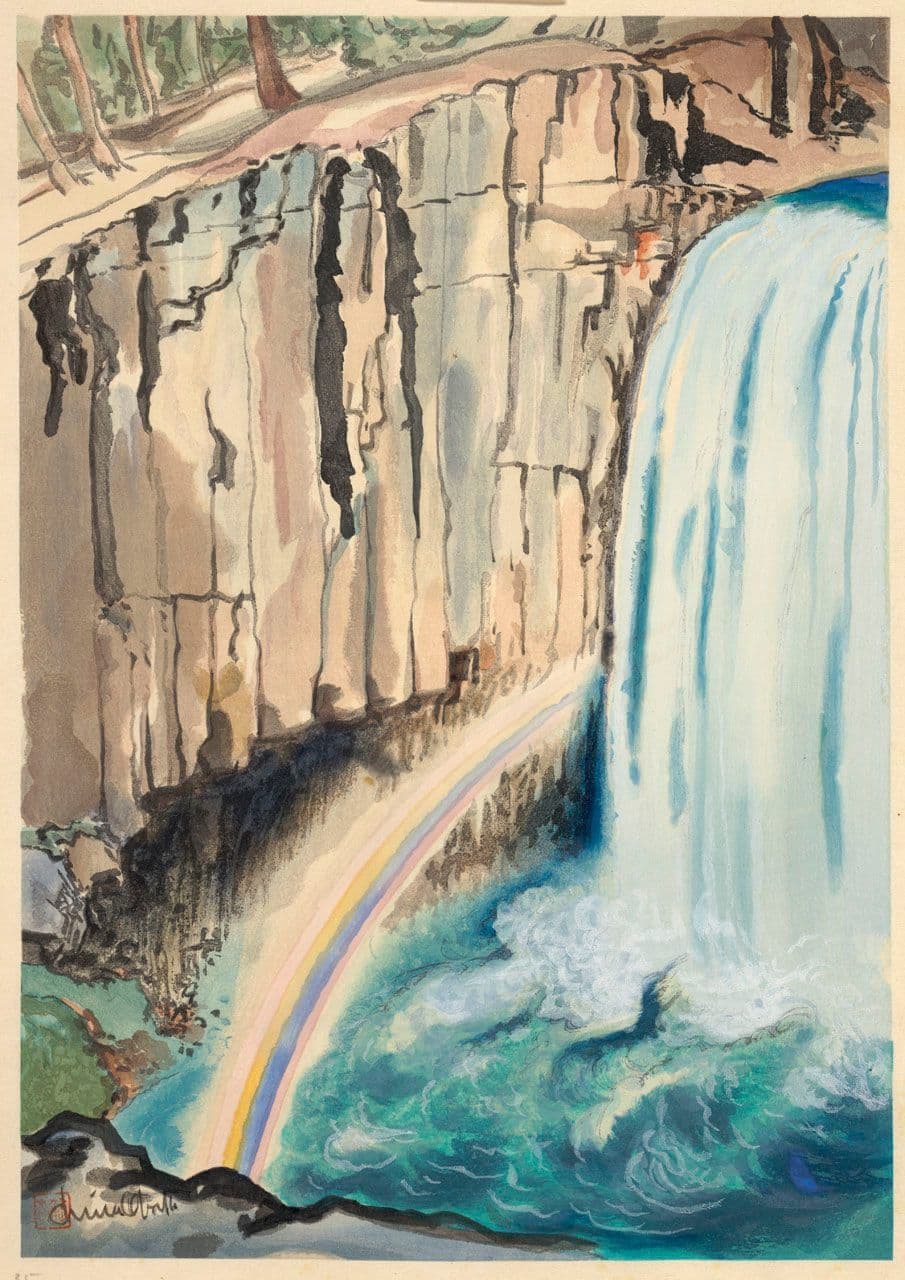
Relief prints are a type of print in which the ink sits on the surface of the matrix. The matrix, often referred to as a block in relief prints, is carved or made in a way so that the raised areas will hold ink while recessed areas do not. Ink is either rolled or brushed onto the surface of the matrix and pressure is used to transfer the ink to a substrate.
Common types of relief prints are woodcuts (or woodblock prints), wood engravings, and linocuts.
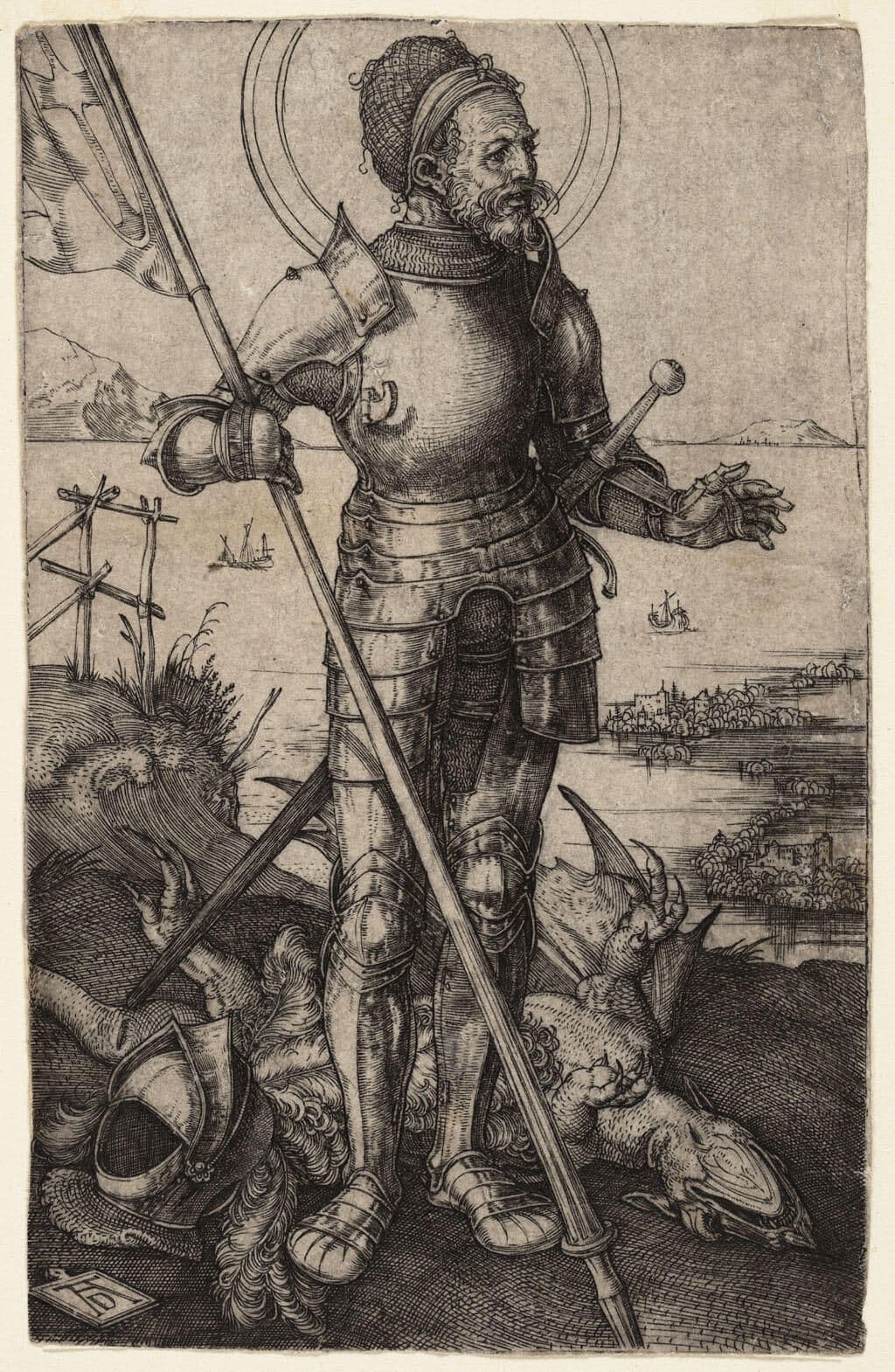
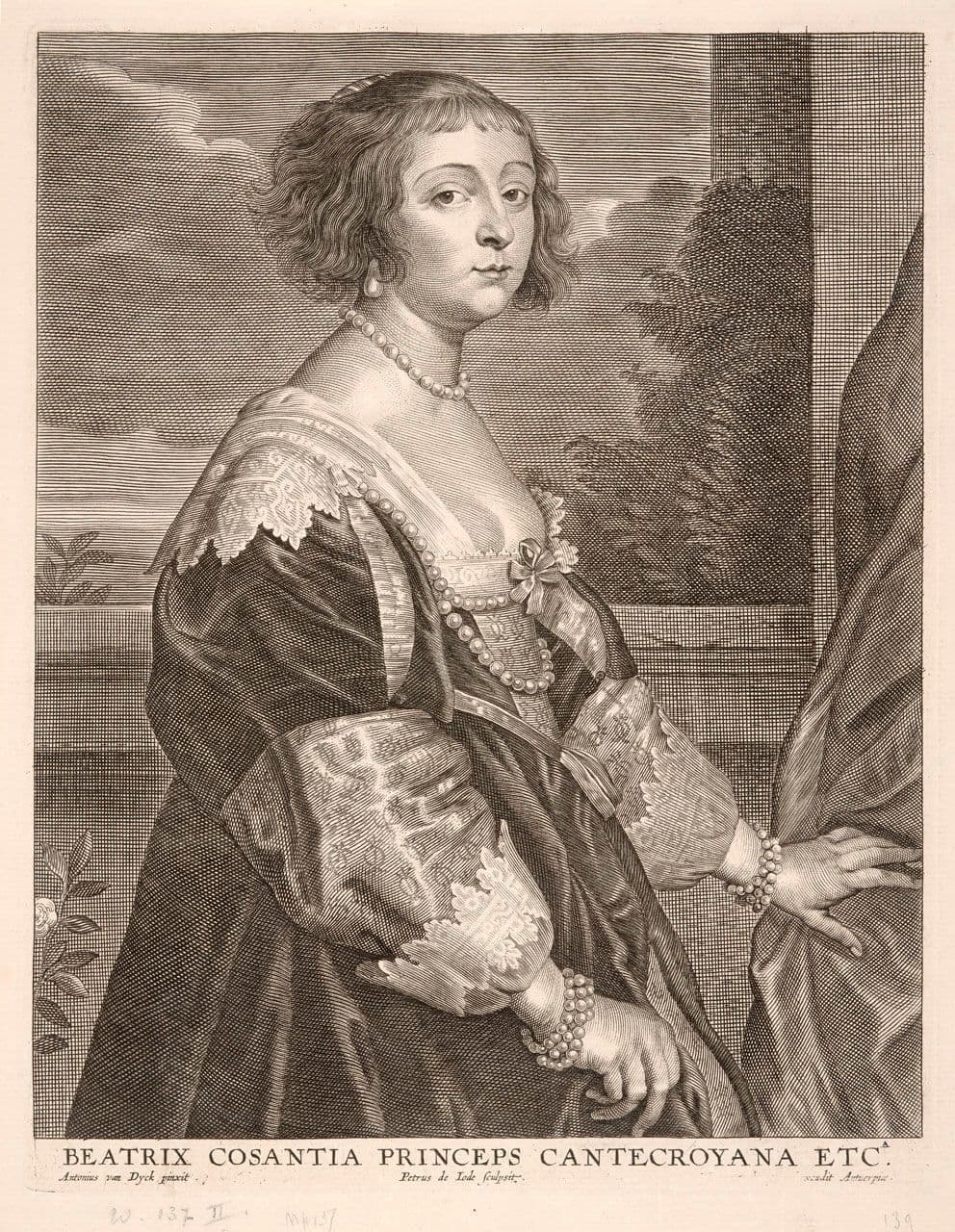
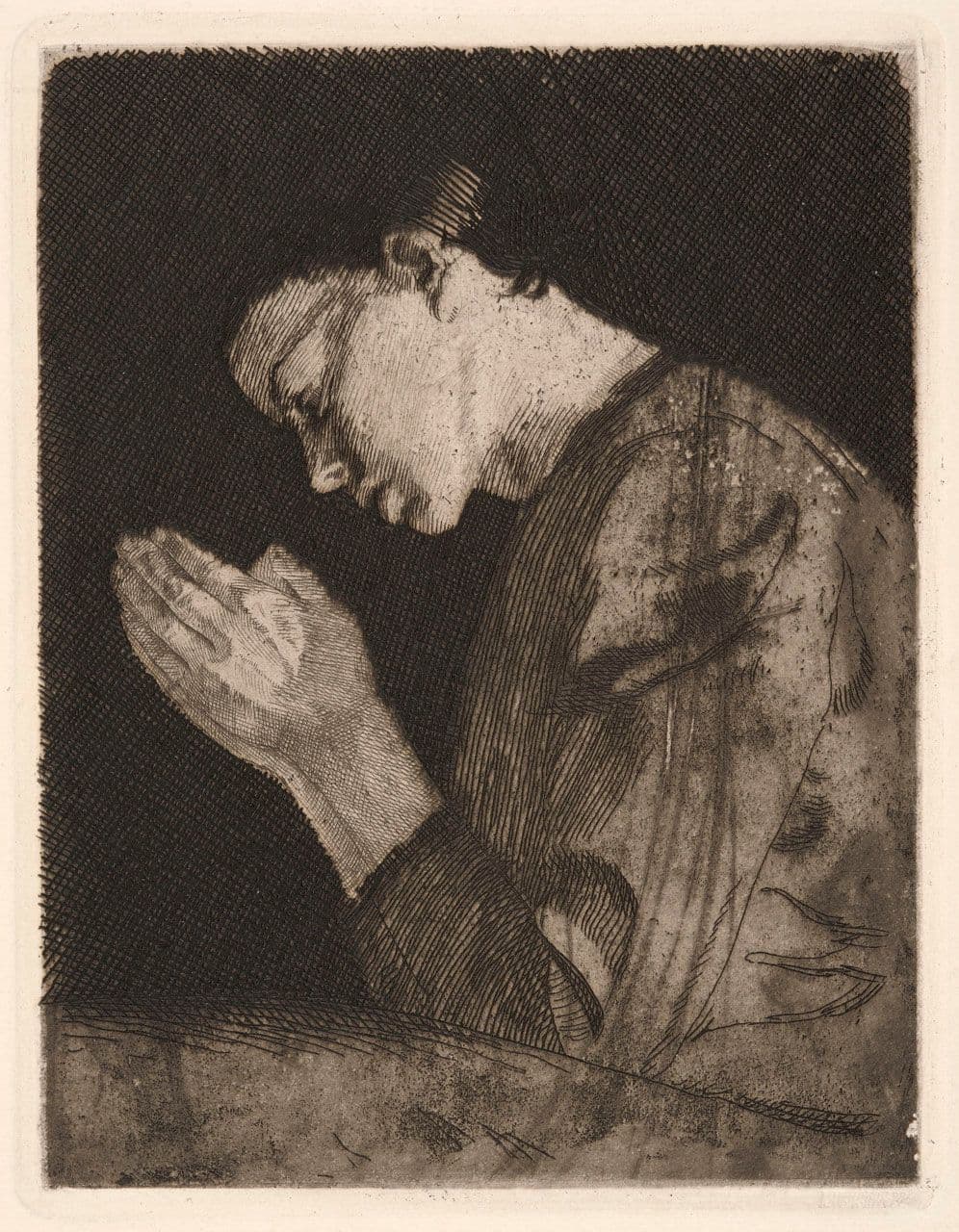
About Intaglio Prints
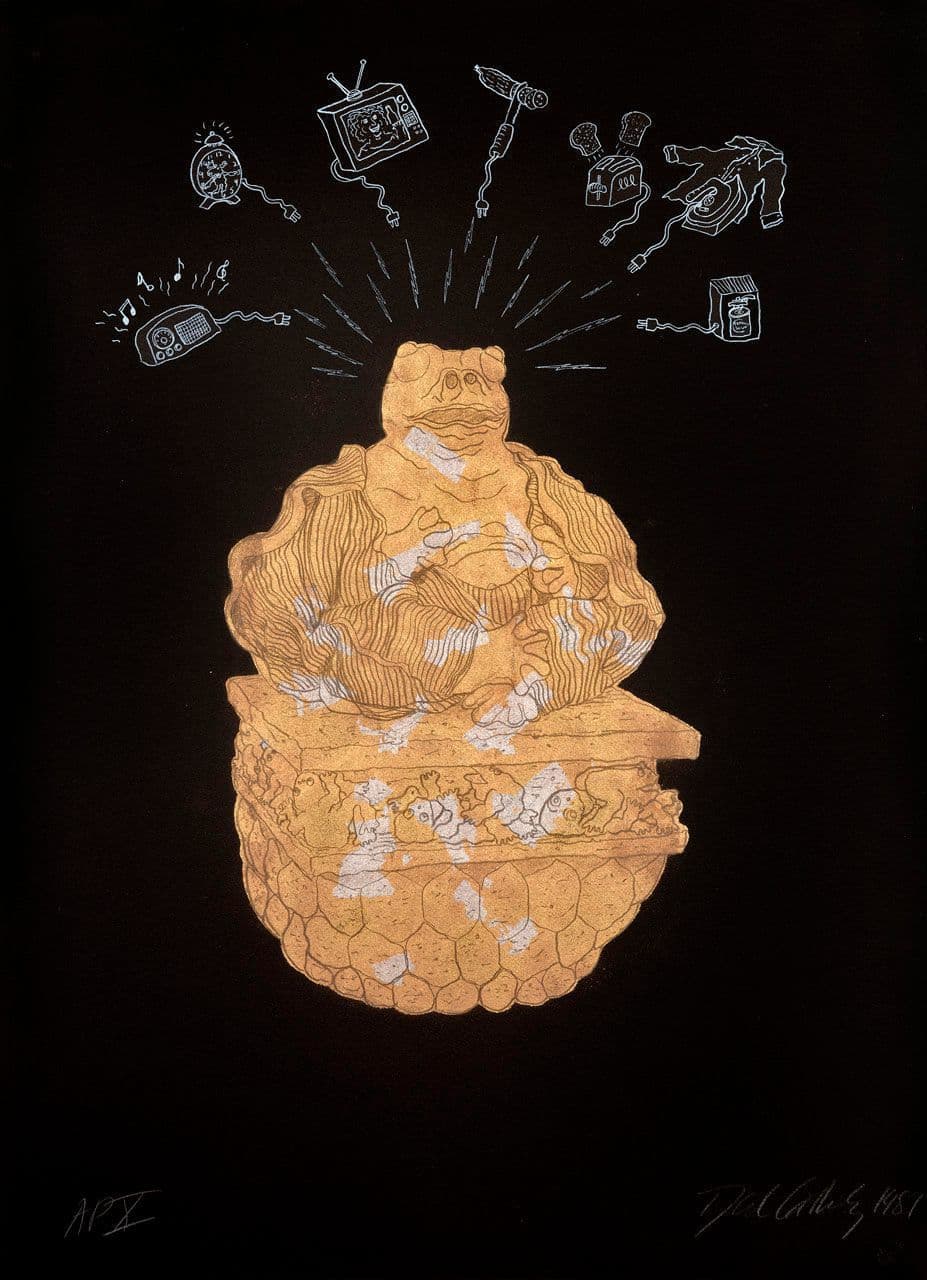
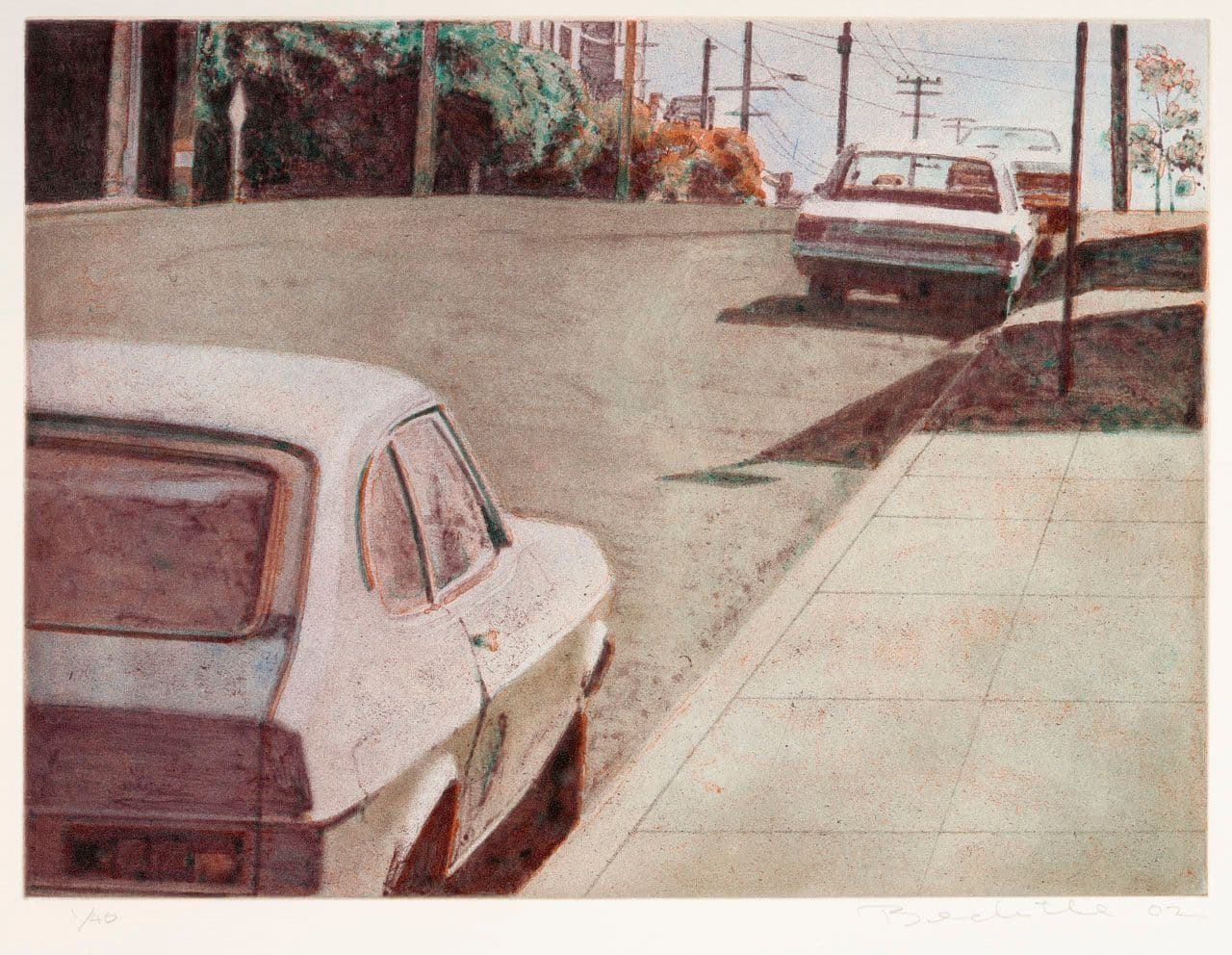
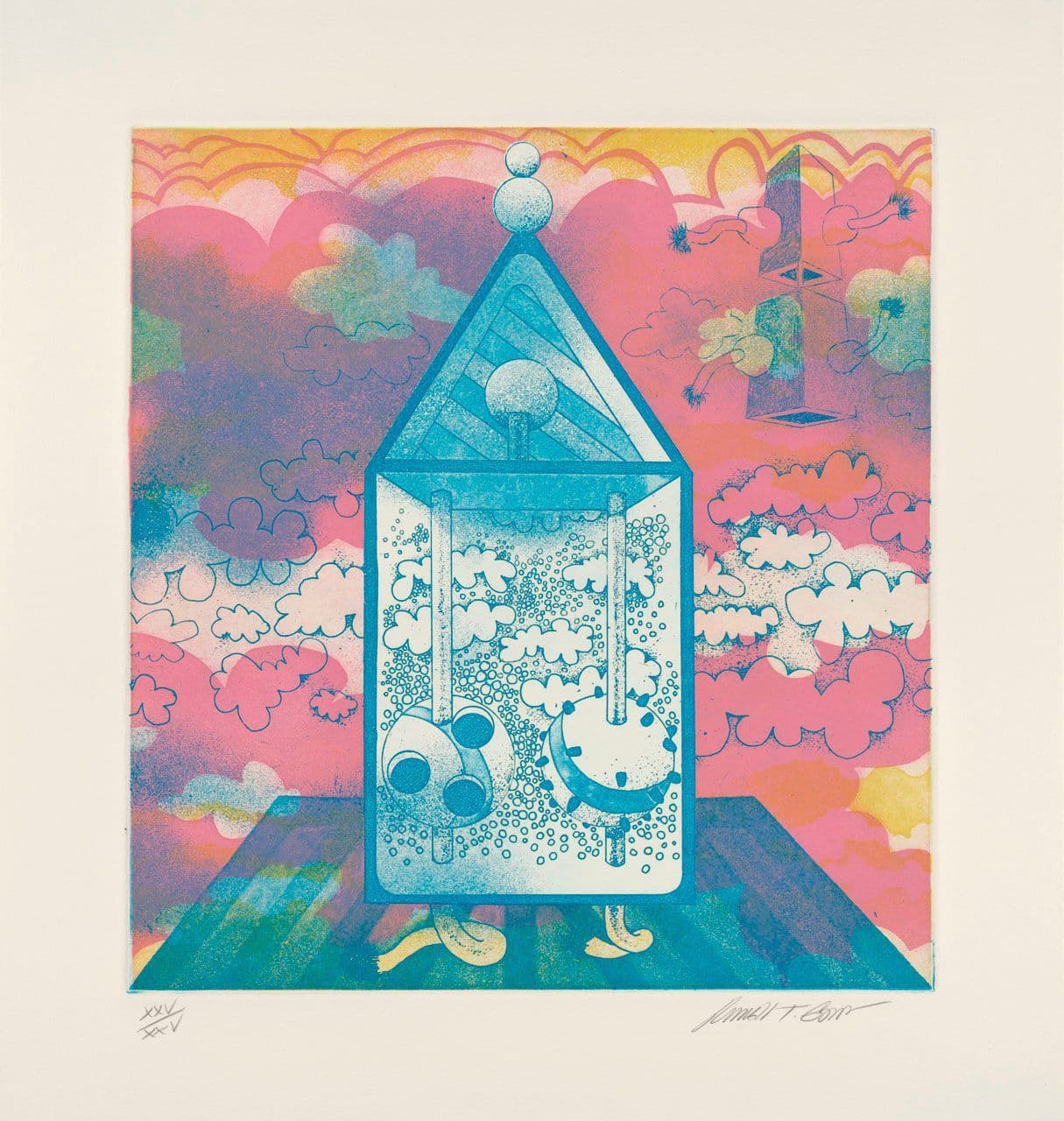
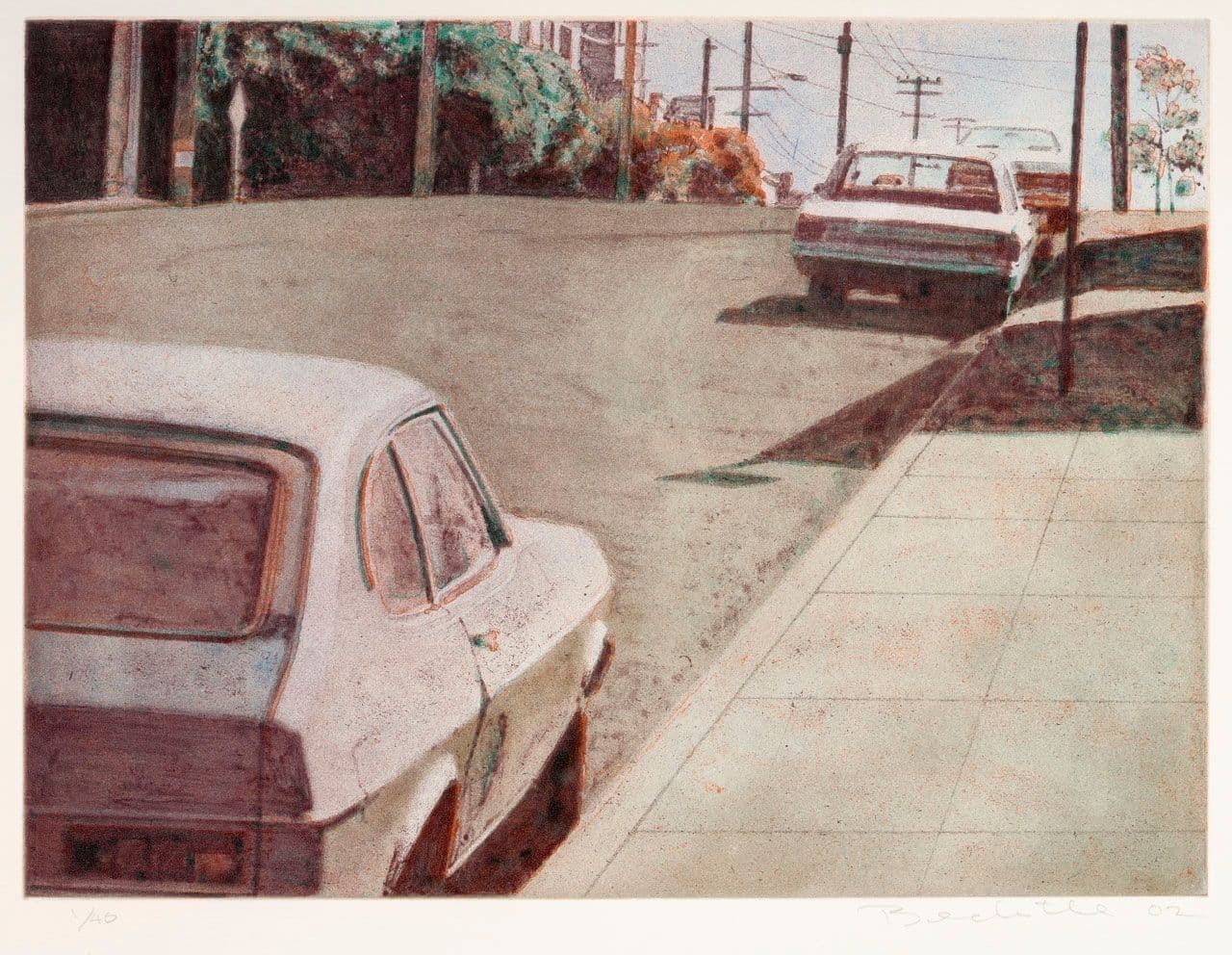
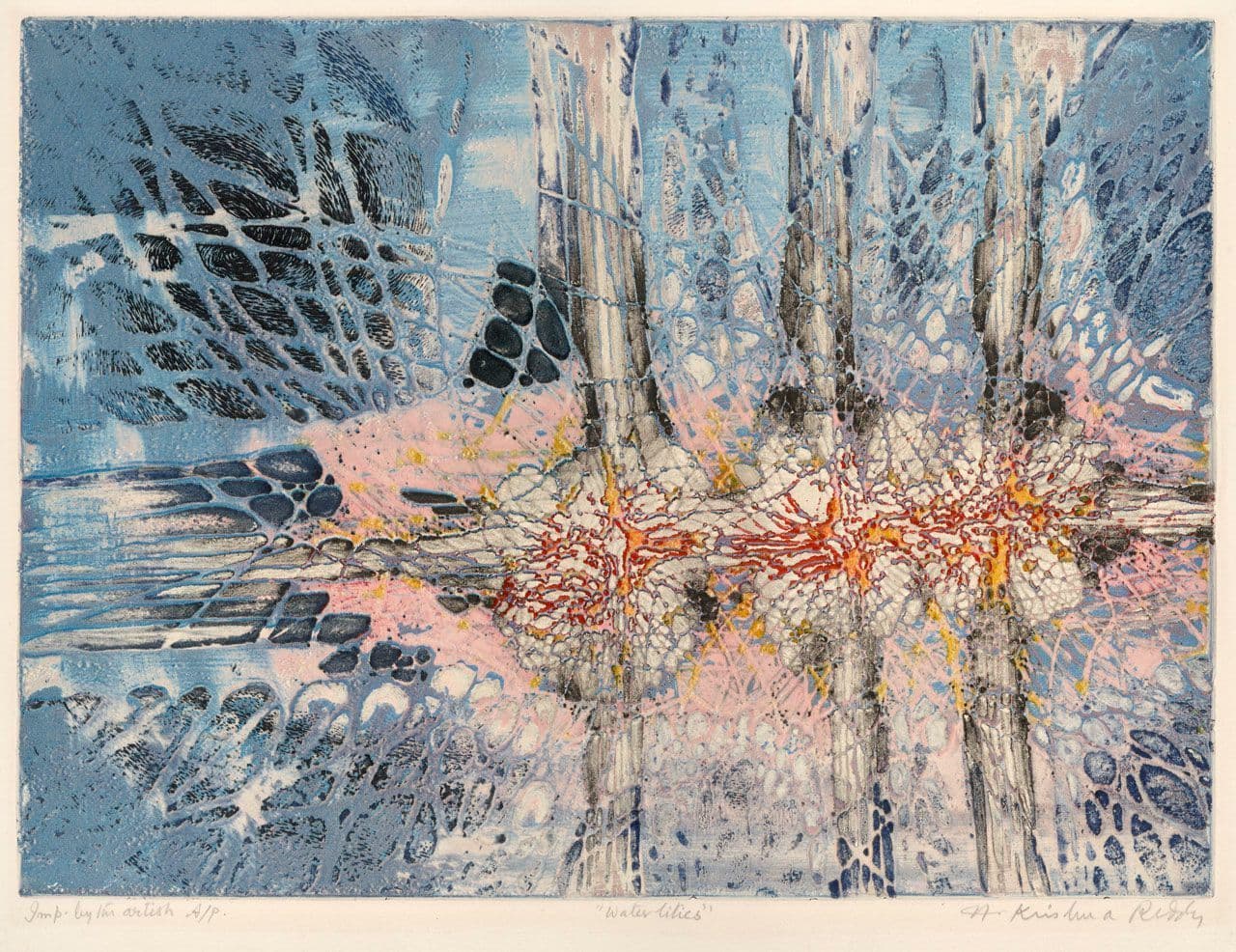
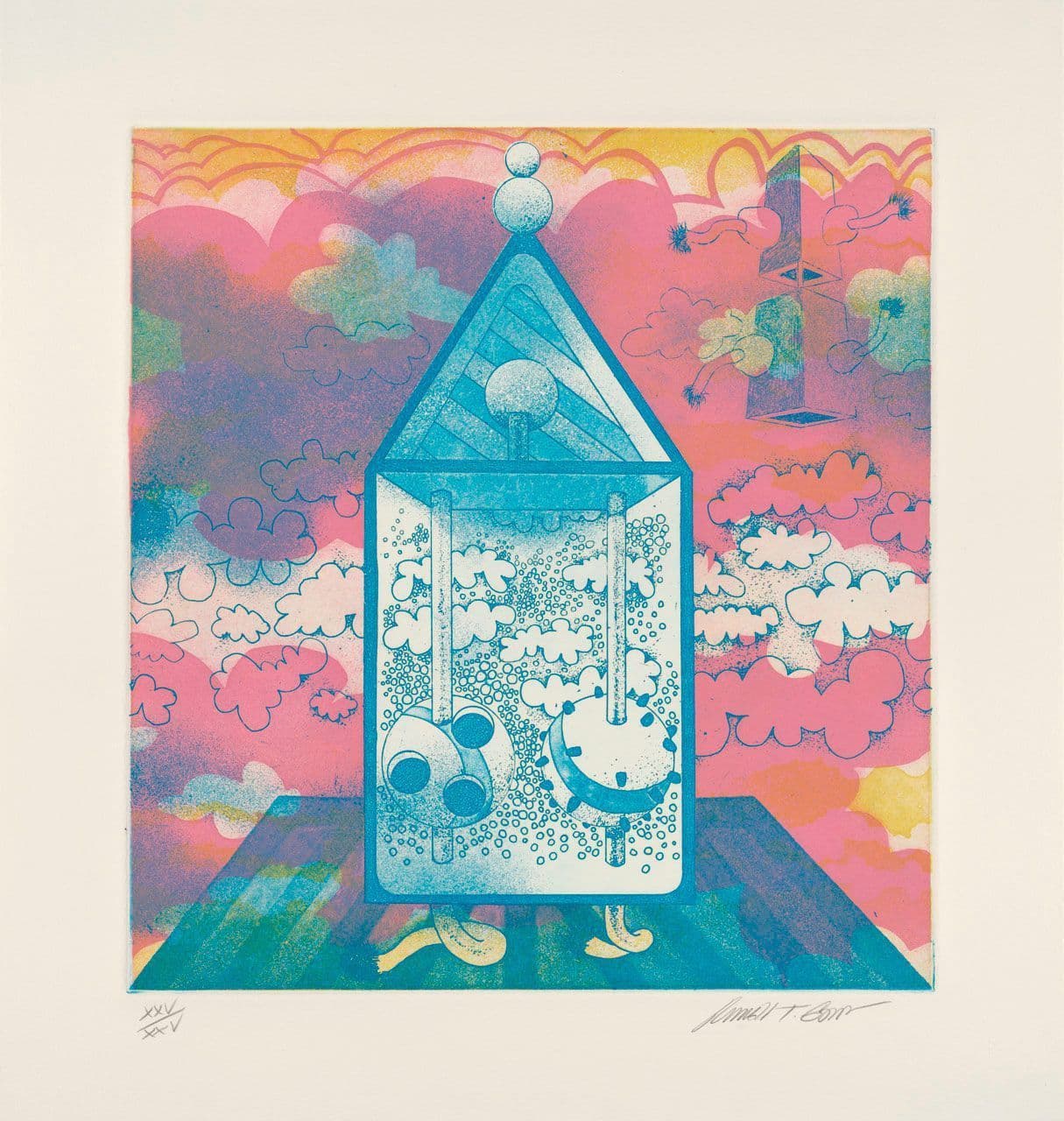
Intaglio prints are a type of print in which ink sits in the recessed areas of the matrix. The matrix, often called a plate in this context, is etched, scratched, or engraved with a design. The recessed marks make up the positive space of the image, while the flat surface of the plate will make up the negative space of the image. Ink is applied to the plate, the surface is wiped clean, and then a great amount of pressure is used to transfer the image to paper, forcing the fibers of the paper into the recessed areas of the plate. The paper is typically damp, allowing for more flexibility in the fibers.
Common types of intaglio prints are etchings, drypoints, and engravings.
About Screenprints
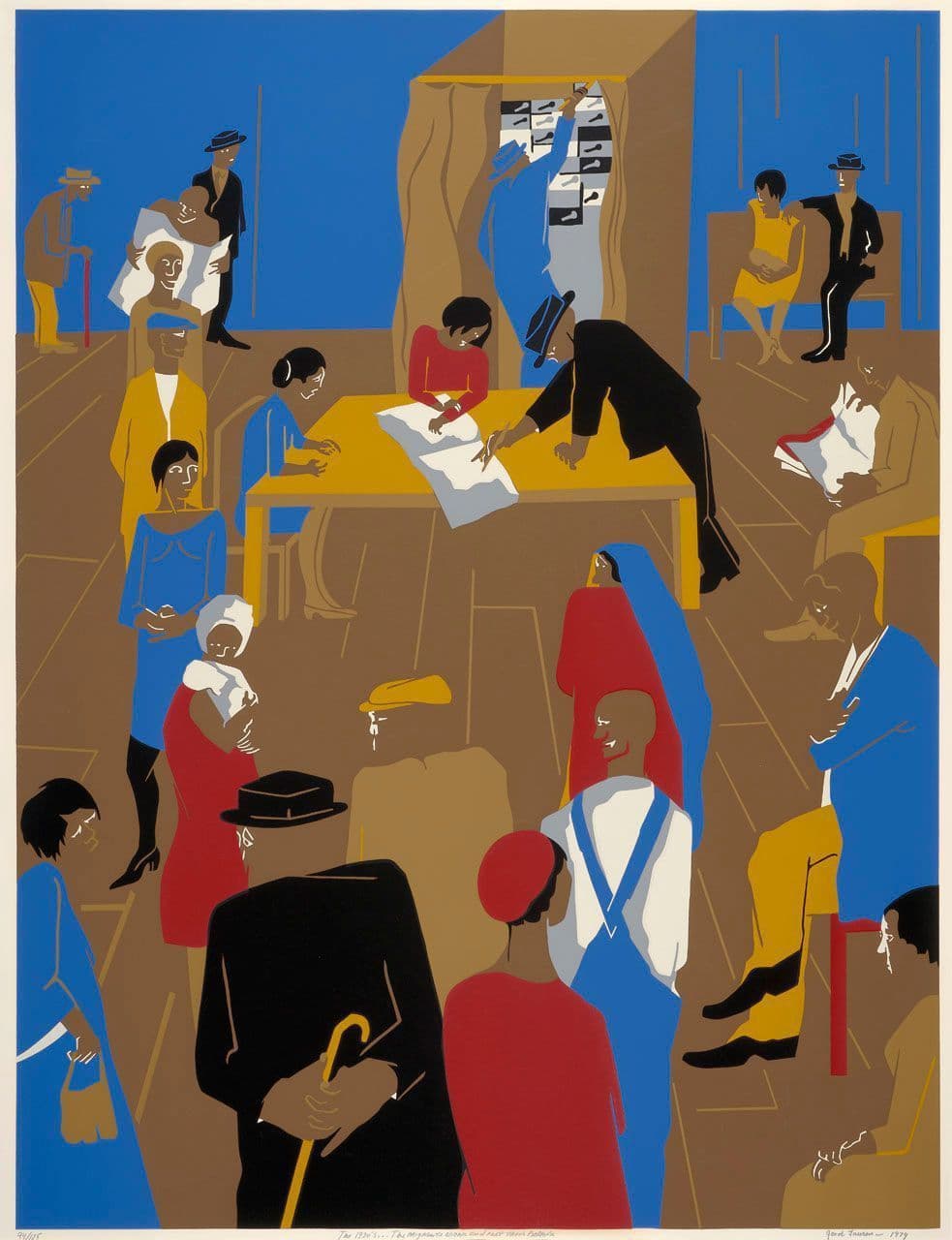
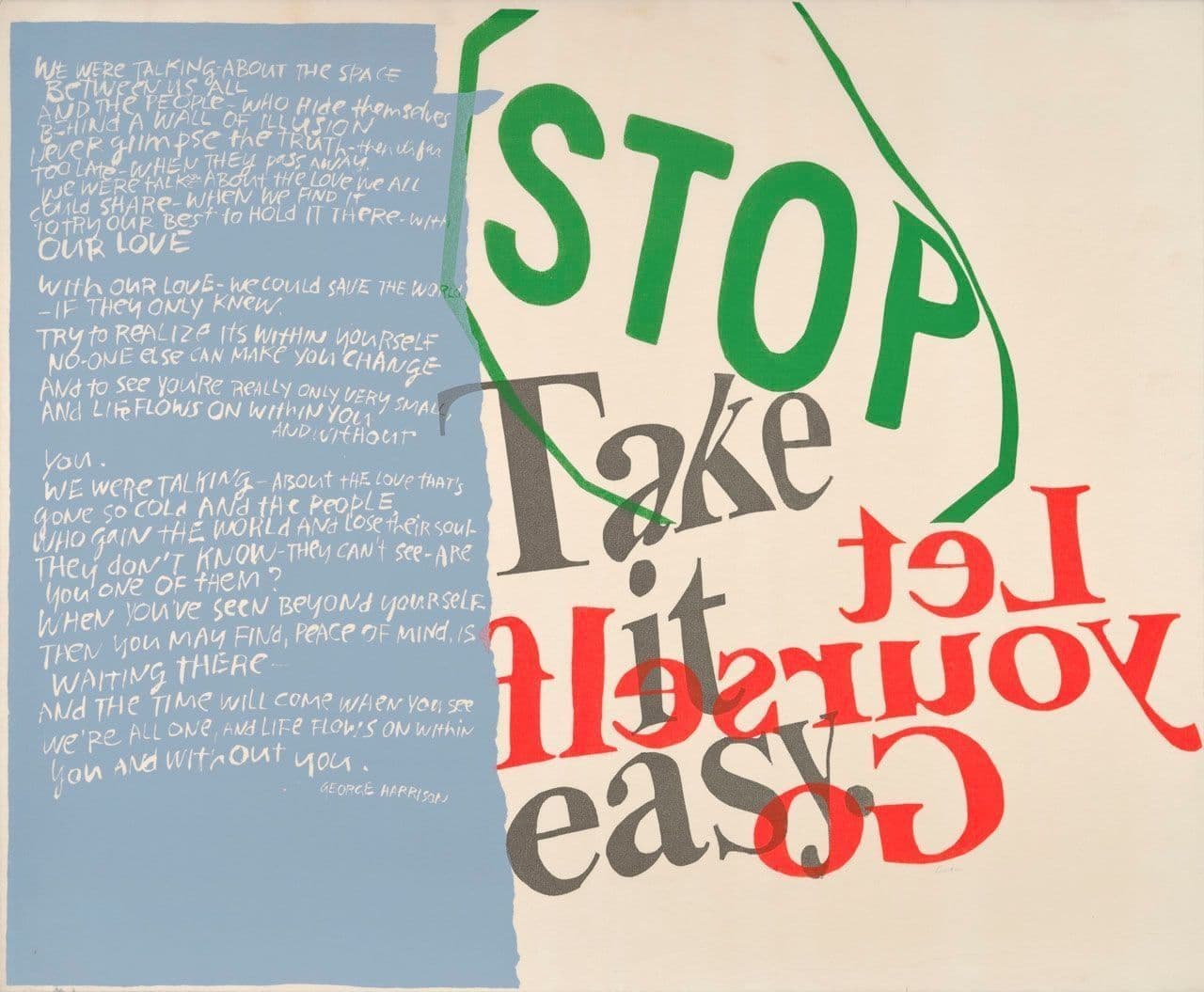
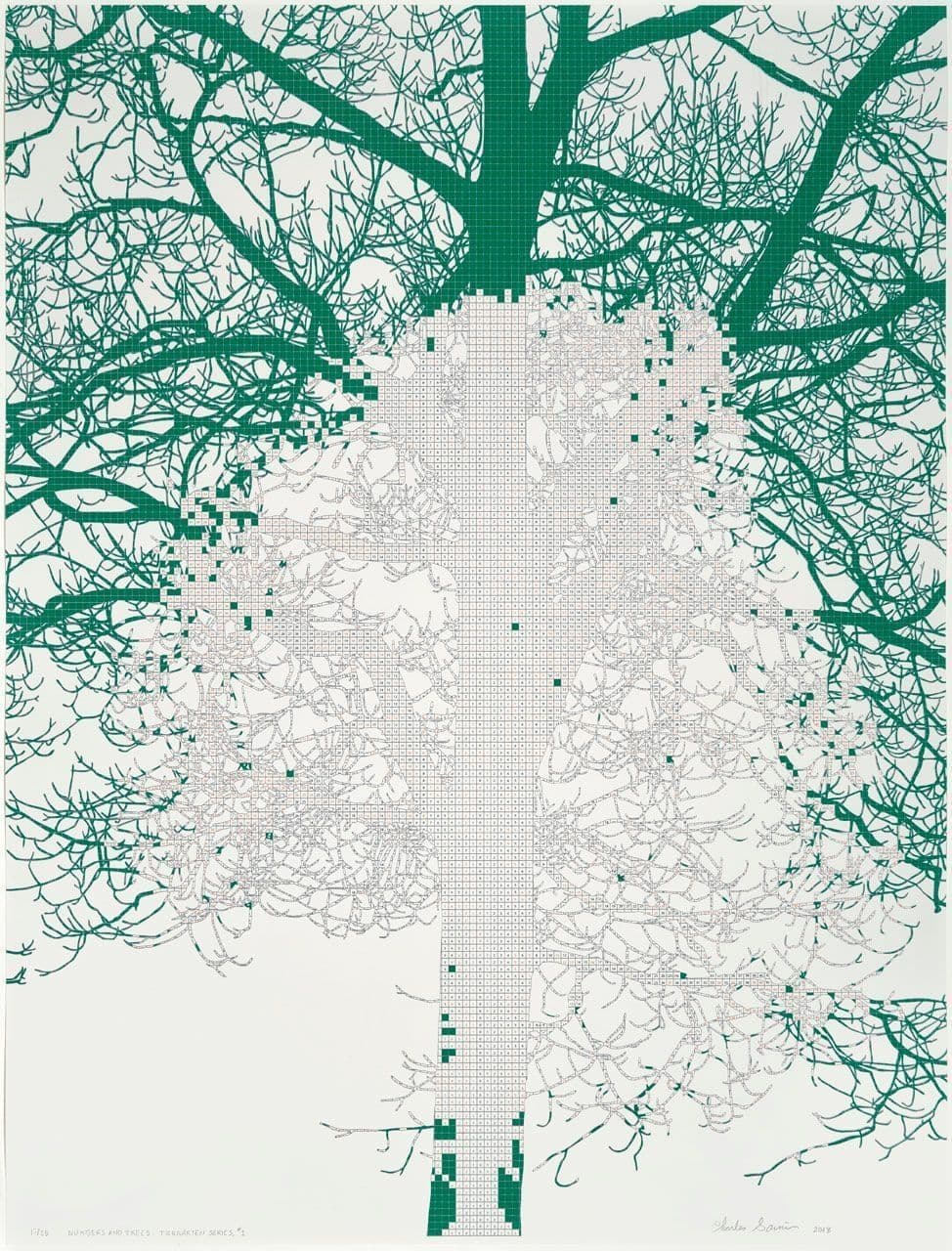
Screenprinting, also known as silkscreen or serigraphy, is a stencil-based printmaking process that transfers designs onto paper, textiles, wood, and other surfaces. A stretched, fine-mesh screen creates the design: areas of the screen are blocked out with materials such as stencils, Rubylith, transparencies, light-sensitive emulsion, and other techniques, while ink is then pushed through the open areas of the screen onto the substrate to create the image. Each screen typically holds one design in one color; multicolor designs use multiple screens to layer different colors and produce the finished image.
To begin creating a screenprint, prepare the screen with the desired design by blocking the mesh in specific areas to create positive and negative spaces where ink will be pushed through. Blocking the screen can be done using various methods, including stencils (traditional or permanent), liquid screen blockout, or photo emulsion, a photosensitive coating. Emulsion uses a transparency, traditionally a product such as Rubylith, a red-and-clear cast film, or, more recently, a printed transparency to block UV rays that would otherwise expose it. These blocked areas create the design using UV light: areas where UV penetrates the emulsion on the screen harden, while the blocked areas wash out when water is applied. Once the screen is washed out, the open areas become the positive space of the image, and ink is pushed through it onto the surface beneath. Images with multiple colors use multiple screens and layers to create one image.
After the screen is prepared, the design must be registered—a process of aligning the screen so the design is transferred to the correct place on substrate. Once registered, ink is pushed through the screen with a squeegee to create a print. First, the edge of the squeegee moves ink over the design area, flooding the screen and filling the positive open area with ink. Then the squeegee is angled and run over the screen again, applying pressure to push ink through the screen onto the surface below. Ink can also be creatively applied to the screen to create other effects, one of which is a split fountain, where two colors are pushed through the screen at once. Screen creation, registration, and printing all occur again on a single substrate to produce a multicolored image.
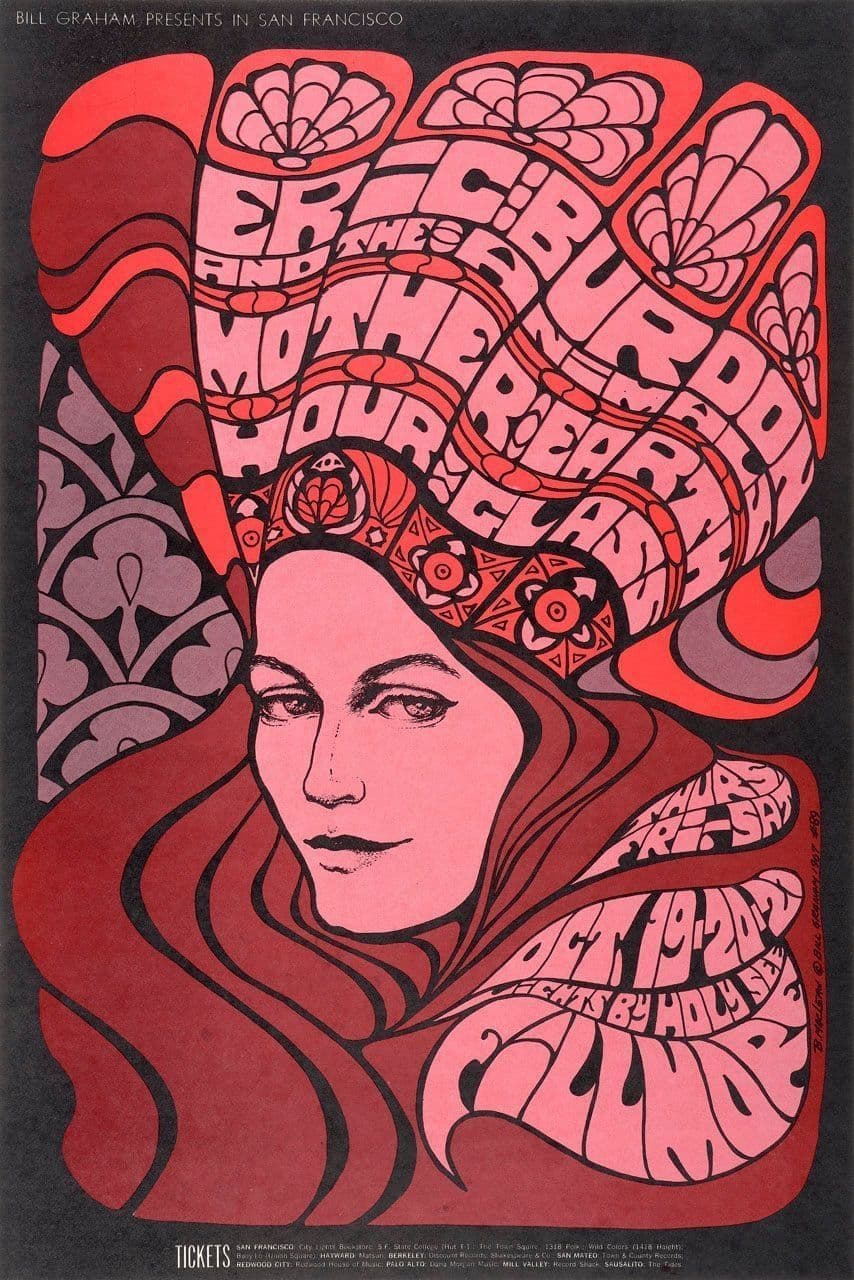
Screenprinting can be traced back to textile designs in China during the Song Dynasty (960–1279 CE) and later in Japan, where it was paired with traditional stenciling. Developed in the early 1900s, light-sensitive photo emulsion then became a primary method for creating detailed designs or photographic images on screens. Screenprinting is a useful method compared to other printing methods because it does not require a press and can be used on a variety of surfaces. Its speed, low cost, and relative ease of reuse for the screens make it desirable for sharing visual information widely. These same qualities explain its extensive use in advertising and mass-produced commercial products, such as T-shirts or product packaging. Due to its relative simplicity, screen printing is strongly associated with accessibility and has been also used in posters for music, events, and various social justice movements.
The screenprint portion of How Prints are Made was written by Emma Montalbano.

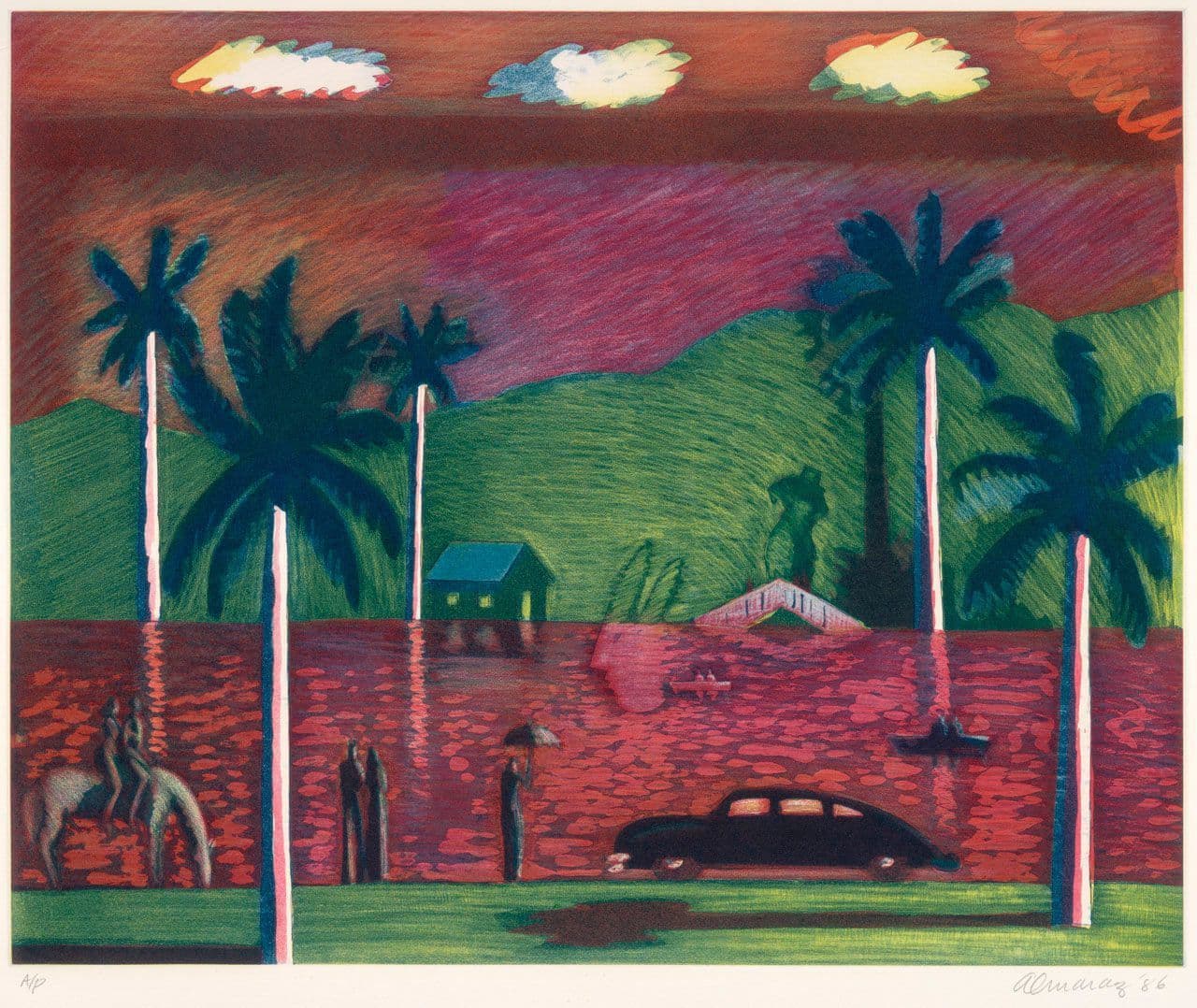
About Lithographs
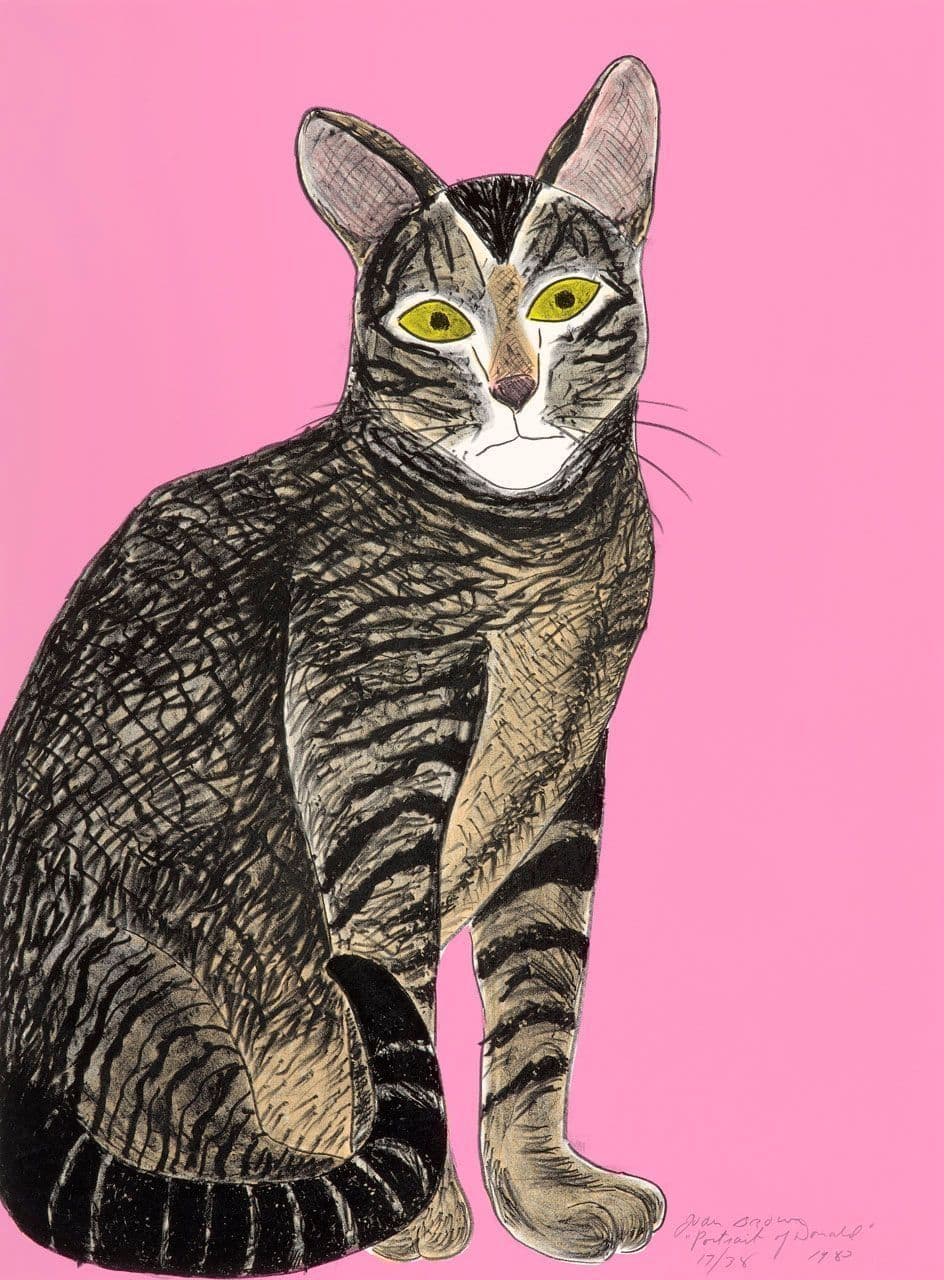
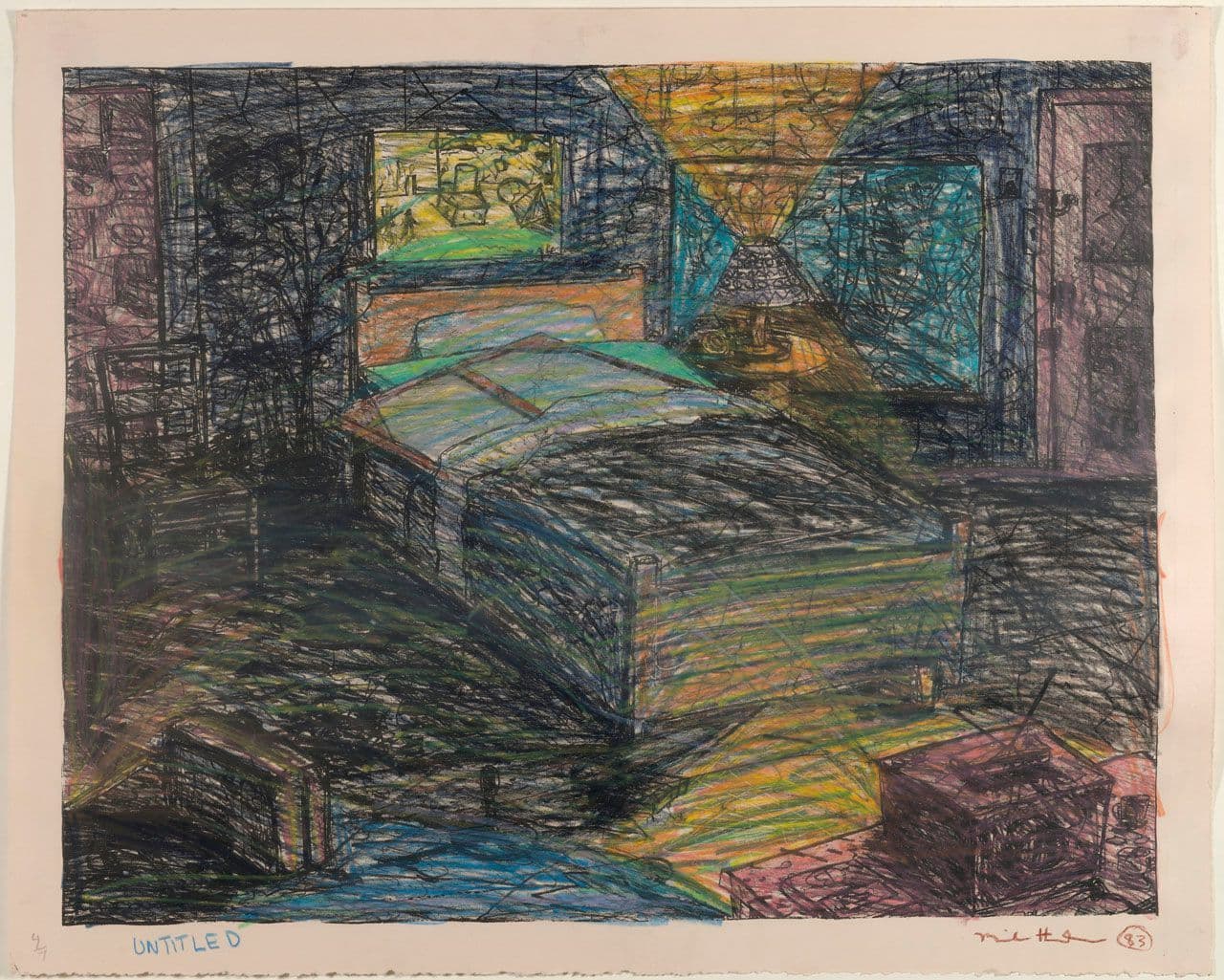
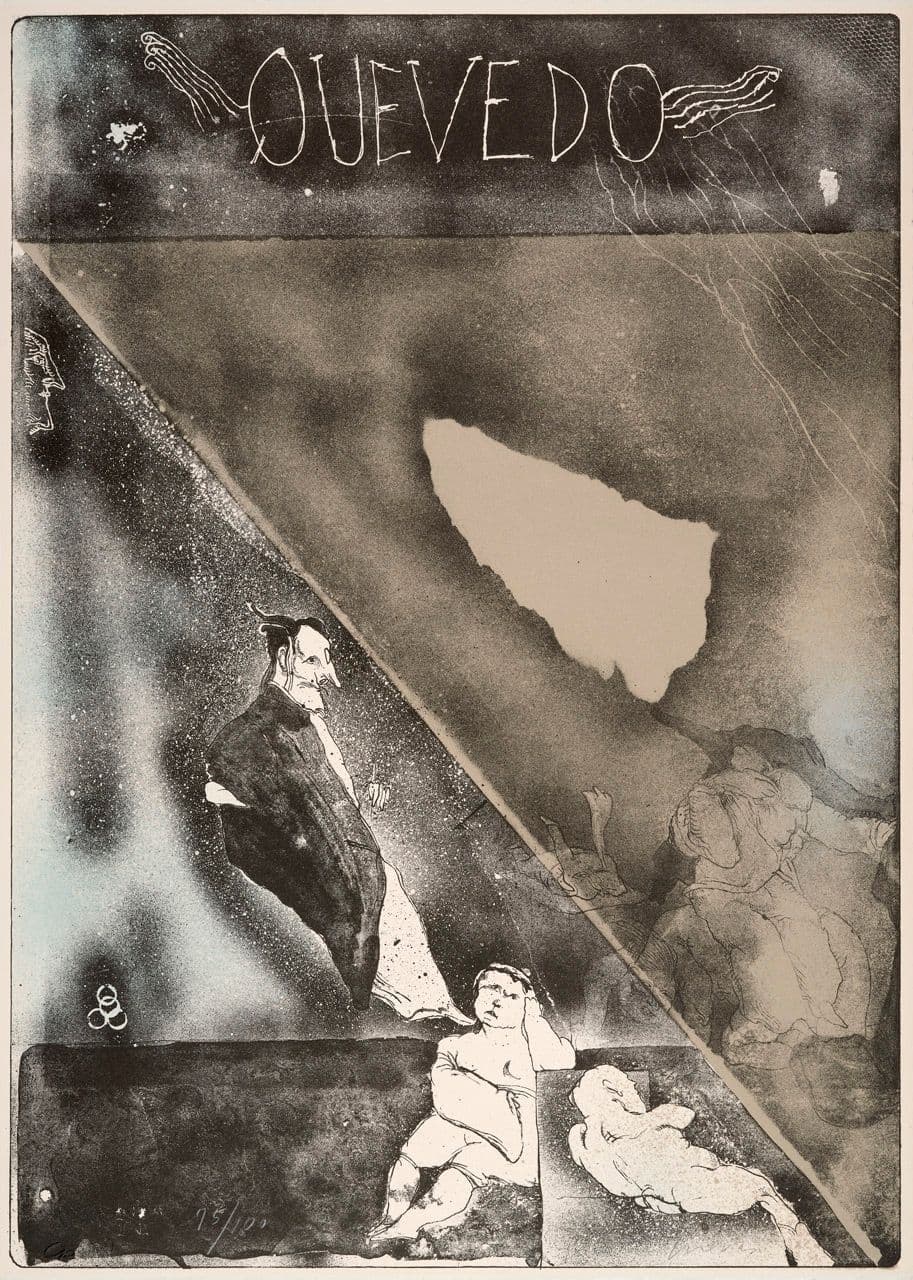
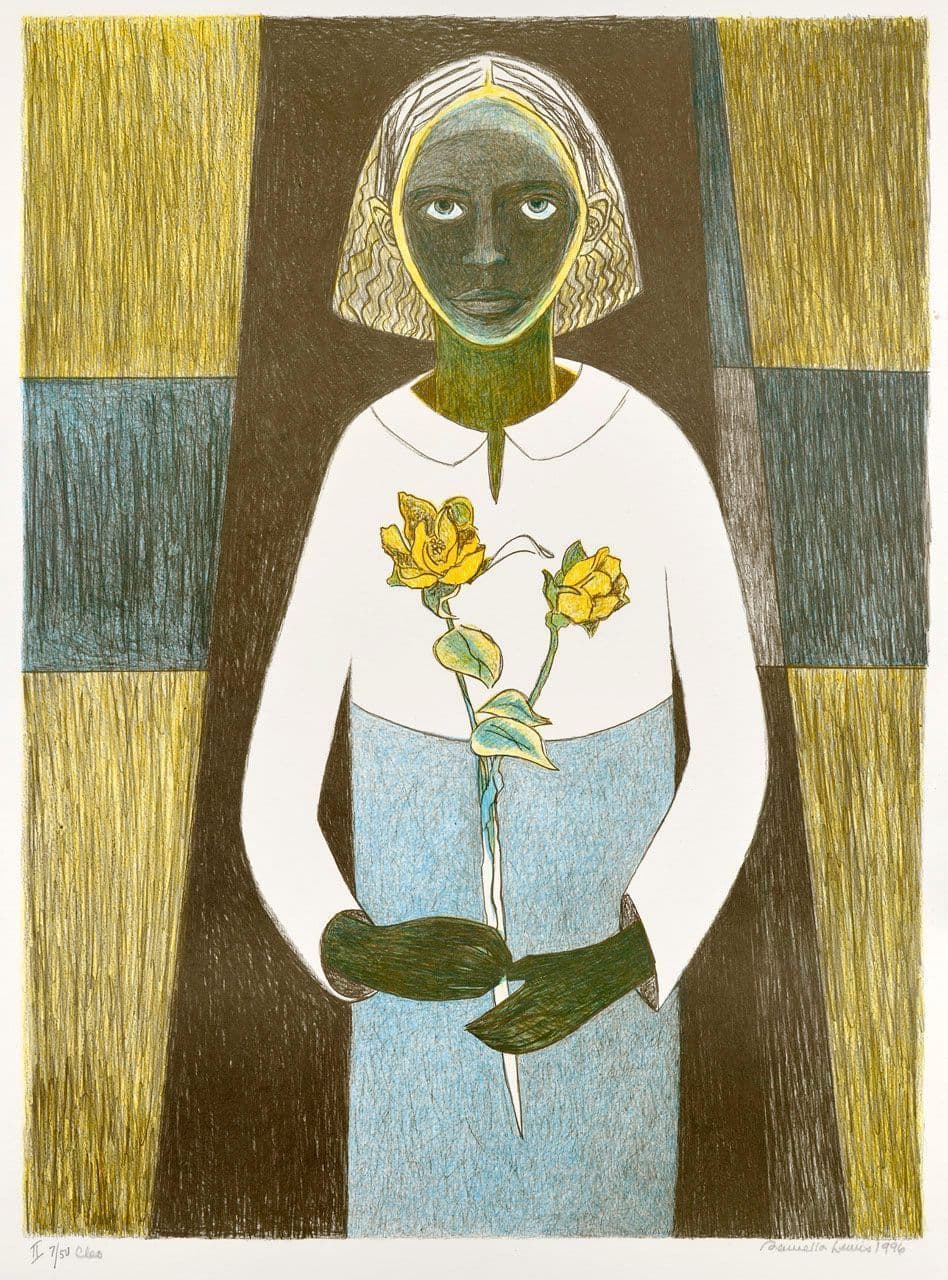
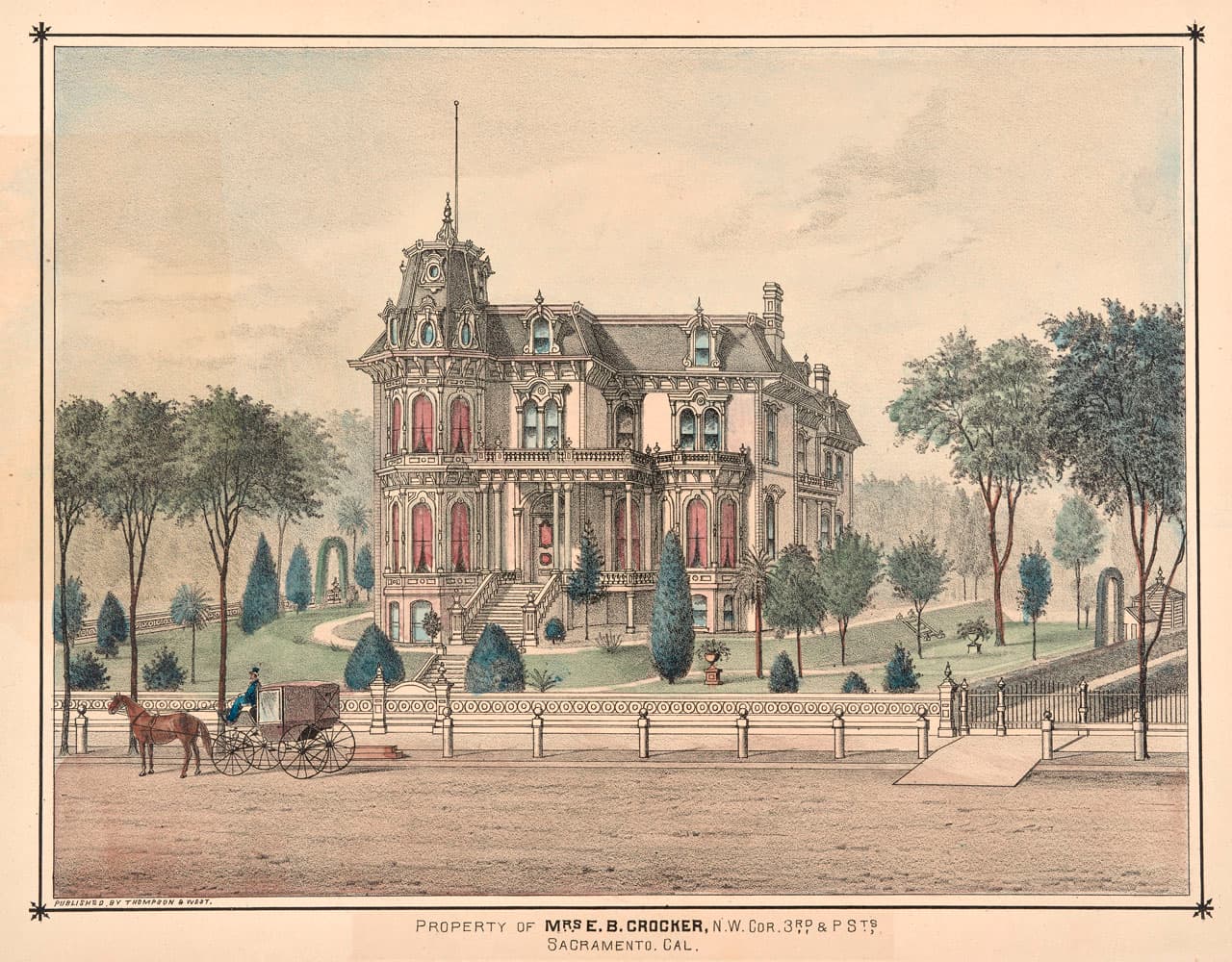
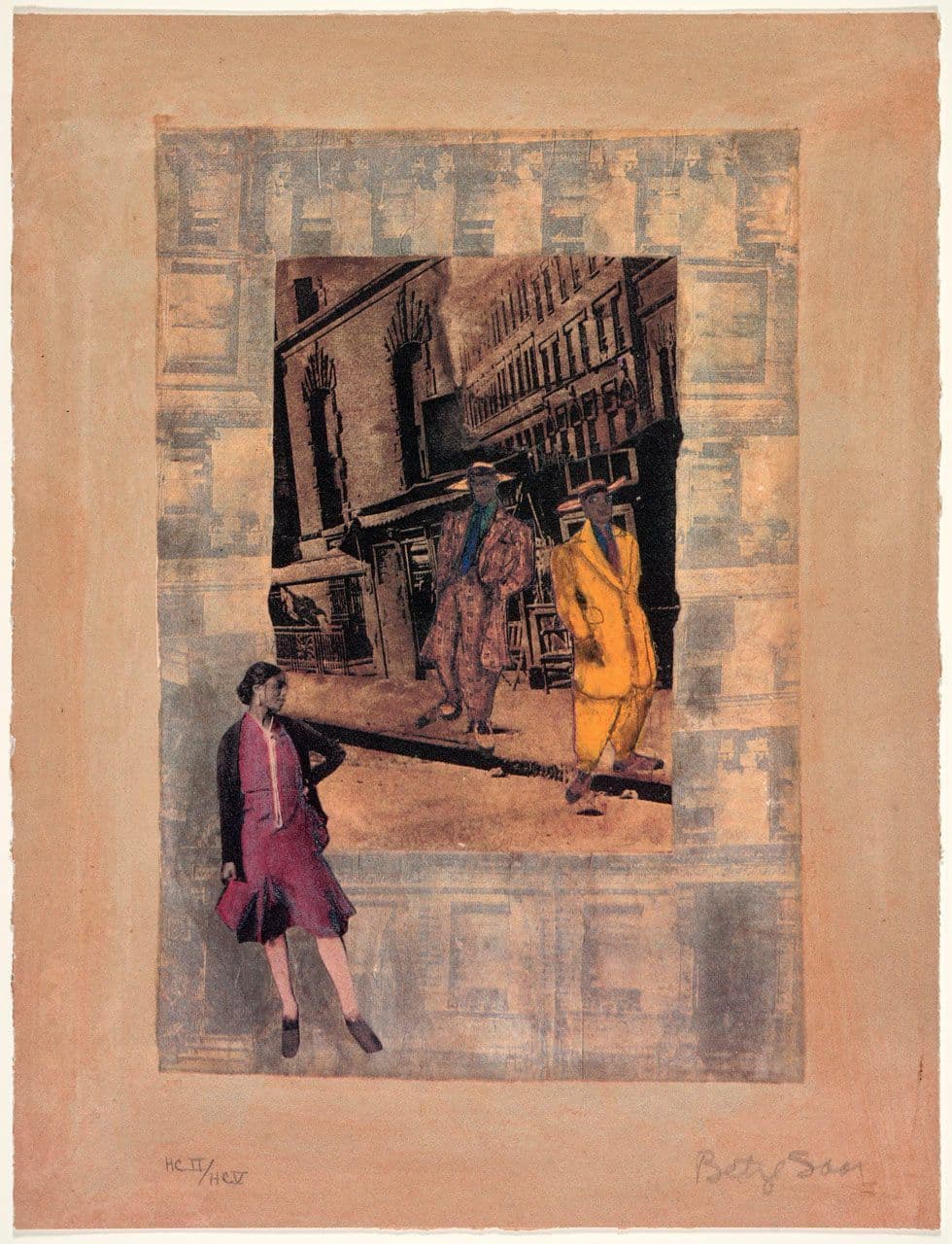
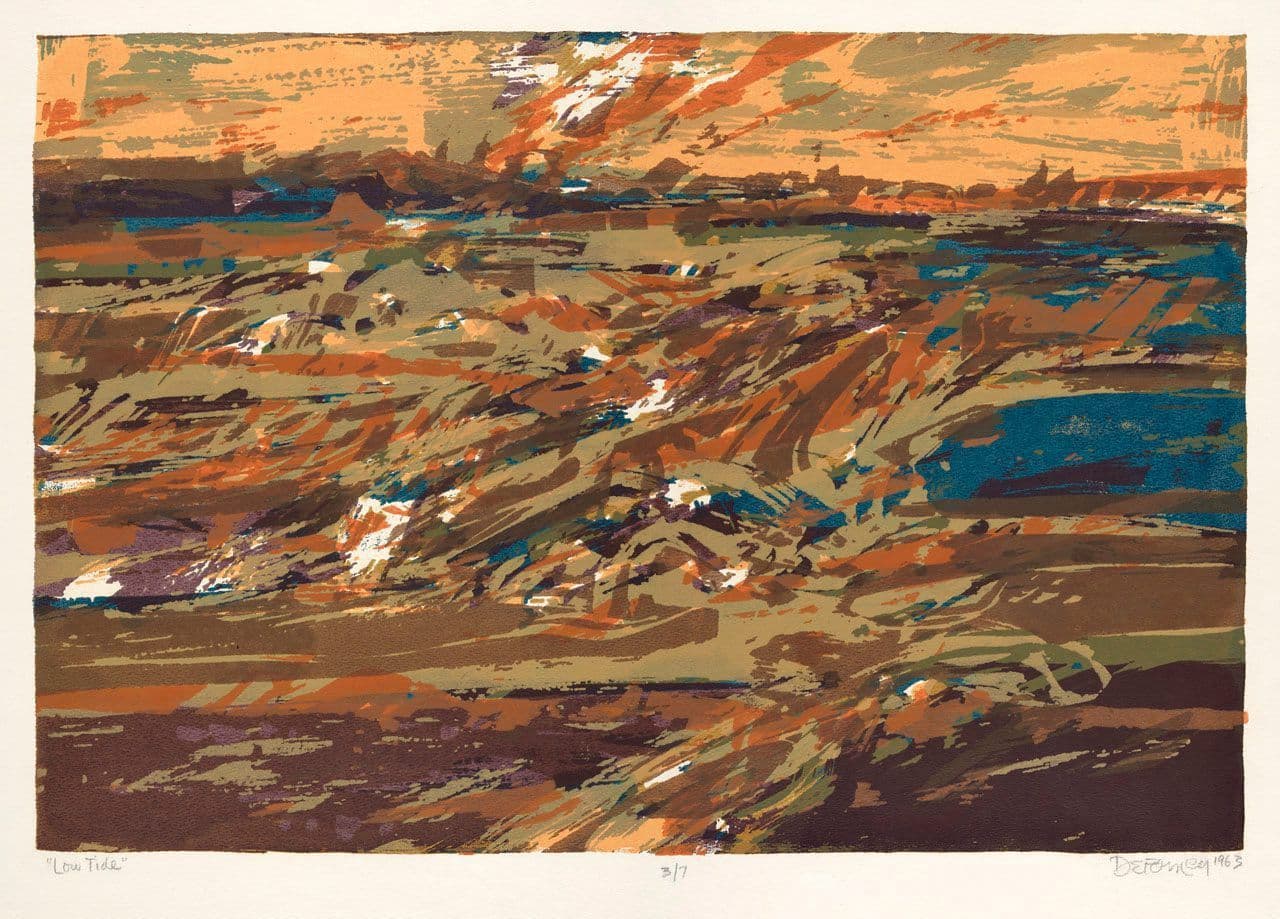
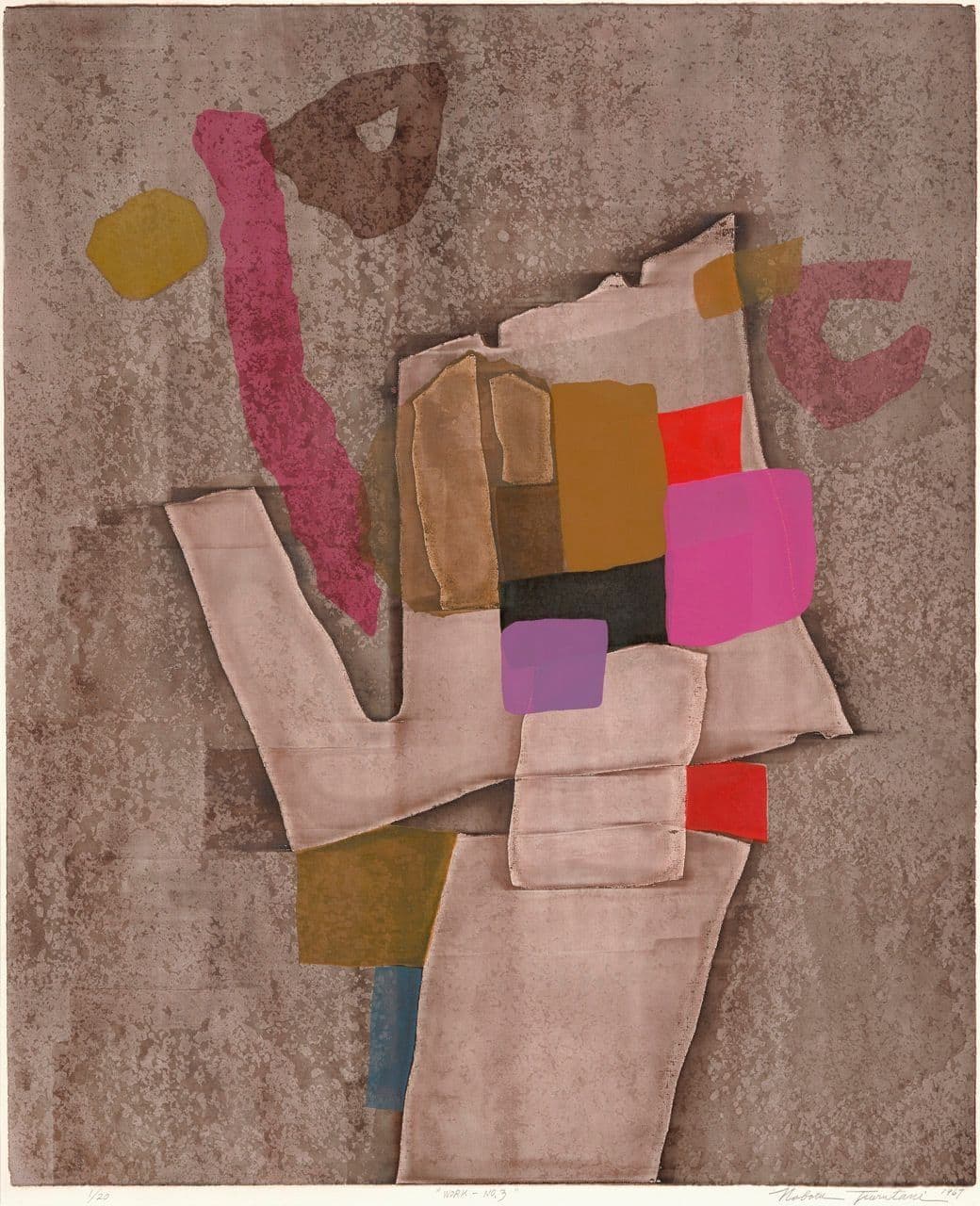
Lithographs are a type of planographic print (a print made using a matrix with a flat surface) that were traditionally made using limestone blocks, oil-based ink, and water. Lithography matrices are now made from a variety of materials: limestone blocks, polyester plates, and metal plates. To make a lithograph, the artist uses oily materials to make a design on a stone, which is then etched with acid that opens the pores of the stone. When printing, the printer lightly coats the stone in water and rolls oil-based inks over the surface. The open pores of the stone hold water, which rejects the oil-based ink, while the oily design made by the artist accepts the ink. The ink is then transferred to a substrate using pressure.